Incident Overview
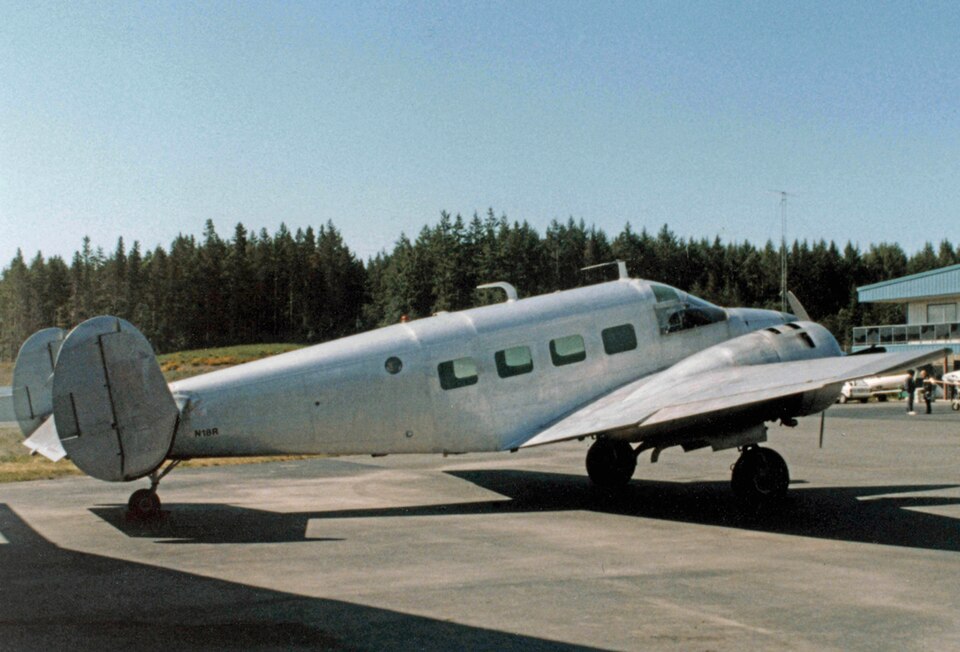
On May 2, 2011, at approximately 0809 eastern daylight time, a Beech E18S with registration N18R was substantially damaged when it impacted terrain in Miami Gardens, Florida. The airline transport pilot was fatally injured. The aircraft, registered to Aircap Management Company Inc., was operating under 14 Code of Federal Regulations (CFR) Part 135 provisions for a non-scheduled international cargo flight from Opa-Locka Executive Airport (OPF) to Marsh Harbour International Airport (MYAM).
Flight Sequence and Impact
After takeoff from runway 9L, the pilot advised air traffic control that he was "turning downwind." Witnesses reported the aircraft did not sound like it was developing full power. The plane climbed to approximately 100 feet, banked left, and slowly lost altitude. It struck a tree, a fence, and two vehicles before coming to rest in a residential area, where a post-crash fire ensued.
Aircraft and Maintenance History
The twin-engine aircraft was manufactured in 1957 and powered by two Pratt & Whitney R-985-AN-14B radial engines. It had previously been involved in a taxi collision at OPF in November 2007. The most recent annual inspection was completed on June 30, 2010. Maintenance records indicated no logbook entry for the replacement of a cracked cylinder on the No. 2 engine performed shortly before the accident, despite a loose FAA form 8130-3 dated April 27, 2011, being found in the logbook.
Technical Findings
Examination revealed no preimpact failure or malfunction of the flight controls. Both throttle levers were in the full-throttle position. The No. 1 engine showed no evidence of preimpact malfunction. In contrast, the No. 2 engine exhibited compression below specification on four cylinders, metallic particles in the oil, and internal corrosion in both magnetos. The right magneto's points would not open due to excessive wear.
Operational Context
The pilot held an airline transport pilot certificate with 6,400 total hours. Toxicological testing was negative for drugs but detected carbon monoxide and cyanide consistent with fire exposure. The aircraft departed with approximately 1,000 pounds less than its maximum gross weight. Manufacturer data indicated that single-engine climb performance is critical for maintaining altitude after an engine failure during takeoff.