Incident Description
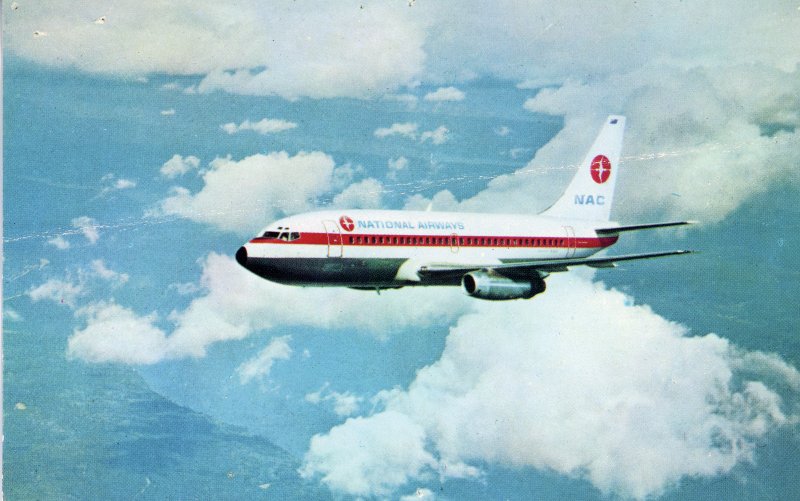
On 9 April 2013, a Boeing 737-400 aircraft was preparing for a charter flight at Kraków Airport (EPKK). Due to terrain obstacles on the planned takeoff direction (runway 07), the maximum takeoff mass calculated in operational documents was 61,500 kg, compared to the aircraft's maximum takeoff weight of 62,822 kg. The handling agent determined that a portion of the baggage could not be loaded and would have to remain at the departure airport.
The aircraft commander disagreed with this decision and independently prepared a new weight and balance sheet. He used a form intended for a version of the aircraft with 154 seats in economy class, whereas the actual aircraft had 162 seats. Additionally, he assumed a passenger weight of 35 kg each. When questioned, the commander stated that using the incorrect sheet did not affect the calculation because all seats were occupied and 90% of passengers were minors whose weight would not exceed 30 kg.
After all baggage was loaded, the maximum structural takeoff mass was not exceeded. The takeoff was performed on runway 25, whereas the mass limitation had applied to runway 07. Analysis of the flight data recorder showed no operational exceedances during the flight.
Findings
The investigation found that the charter flight was improperly prepared operationally. The commander acted based on his own judgment, but used incorrect documentation and assumptions. The incident was recorded in the operator's SMS database and classified according to established procedures. It was included in safety indicators monitored as per the SMS manual.
Preventive Measures
The operator had undergone restructuring that dissolved the charter flights department before the investigation concluded, making further inquiry into the flight's planning impractical. The commander provided explanations to the investigation commission, which acknowledged that the crew's actions were based on extensive experience and detailed analysis. The commander was reminded of the necessity to follow applicable procedures. The incident material was used during periodic pilot training.
No safety recommendations were issued by the commission.