Incident Overview
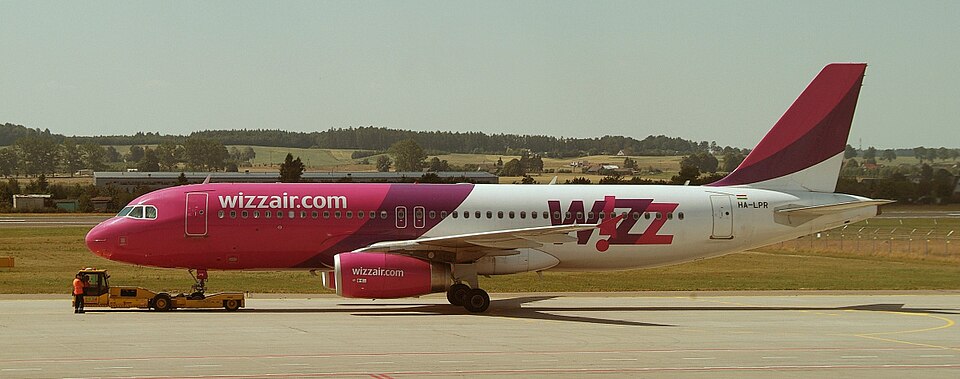
On 29 July 2015 at 12:22 UTC, the pilot of an Airbus A320 (registration HA-LPR, operating flight WZZ3JX for WizzAir Hungary Ltd) reported an automatic shutdown of the PAPI lights on runway 33 during approach to Warsaw Chopin Airport (EPWA).
Control System Indication
At the Air Traffic Control tower position, the lighting control panel for runway 33 showed the PAPI status window as gray, indicating the lights were off, even though the intensity setting displayed the number 5 (meaning 100% output). The controller adjusted the intensity setting down to 4 and then back to 5, which successfully re-energized the PAPI lights. The flight crew confirmed the lights were functioning again.
Technical Response
Airport technical services were notified and at 12:47 UTC confirmed the occurrence of an error in the lighting system.
Cause
The investigation determined that the incident was caused by a bug in the updated software controlling the approach lighting system, which had not been detected during testing in a virtual environment.
Preventive Actions
The operator decided to perform future software updates for the navigation lighting control system primarily during daytime, in weather conditions that did not require use of the approach, runway, or PAPI lights. If shutting down all such lights was not possible, local manual control from transformer stations would be provided during the update. Nighttime updates would only be allowed after all takeoff and landing operations had ceased, with sufficient time for a full physical test cycle and provision to revert to the previous software version if errors occurred.