Incident Overview
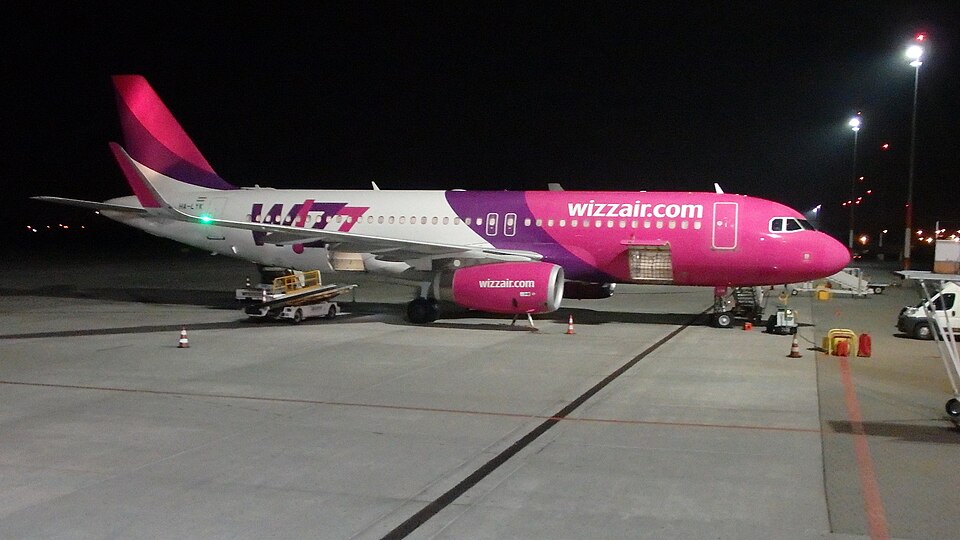
On 11 August 2017, a Wizz Air A320 (operating flight WZZ1331) was en route from Alesund (ENAL), Norway, to Gdansk (EPGD), Poland, with a planned arrival at 21:42 UTC. Due to adverse weather conditions—a thunderstorm front moving across Poland—and the unavailability of air traffic control services at the alternate airport in Szczecin (EPSC), the captain requested a diversion. The flight was rerouted via the shortest path to land at Poznań Airport (EPPO), where weather conditions permitted operations.
Circumstances
Upon learning of the unscheduled late arrival, the Poznań airport duty officer asked the air traffic controller if the landing direction would be changed to runway 10, potentially indicating noise abatement procedures. During the approach to runway 10, the pilot requested a change from a VOR approach to an ILS approach for runway 28 due to the approaching thunderstorm, which was approved. The aircraft landed on runway 28 at 22:24 UTC. This landing occurred during the period when local noise restrictions were in effect (21:00-05:00 UTC, or 20:00-04:00 local summer time). Exceptions are published in AIP Poland 2.21.4 regarding nighttime noise restrictions.
After landing, the crew reported a fuel remaining of 1,660 kg. The airport duty officer, citing AIP AD EPPO 2.21.4 and 2.23.1, stated that no additional traffic would be accepted except in emergencies. The duty officer was inclined to implement noise abatement procedures as per AIP AD EPPO 2.21, which specify runway selection as part of noise abatement during nighttime hours.
Probable Cause
The Polish State Aviation Accident Investigation Commission determined the cause of the incident to be weather conditions below minima for landing at Gdansk (EPGD) and the alternate airport in Szczecin (EPSC).
Safety Actions
No preventive actions were taken by the operator, and no safety recommendations were issued by the investigation body.