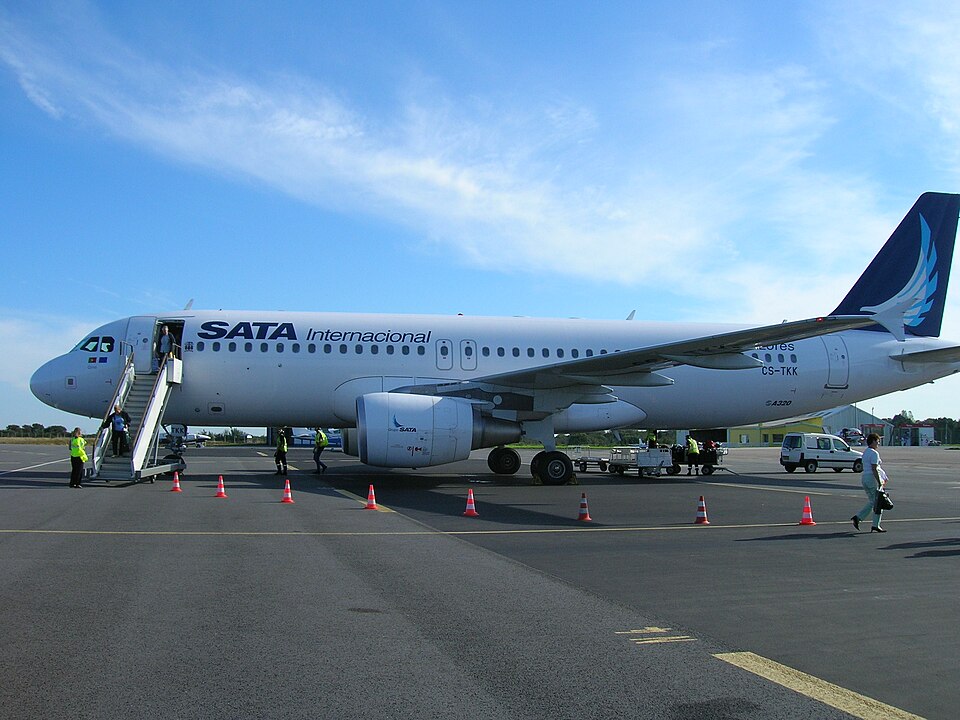
Incident Overview
On November 29, 2007, at 10:05 UTC, a loss of separation incident occurred at the Madeira Airport (LPMA). The event involved two commercial passenger aircraft: an Airbus A320 registered CS-TKK operating flight RZO-460 from LPMA to Lisbon (LPPT), and an Airbus A319 operating flight EZY-281B from Glasgow (EGGD) to LPMA. No injuries or physical damage were reported to either aircraft or personnel.
Sequence of Events
The easyJet flight was descending through 1,200 feet toward 600 feet for a visual approach to Runway 05 with tailwind conditions. Simultaneously, the SATA flight took off without explicit authorization. The SATA crew had been cleared to "line up and wait" on Runway 05. The captain rolled to the position and handed control to the co-pilot, who could not confirm if a takeoff clearance had been received because it was not written down. Assuming authorization, the captain instructed the co-pilot to take off.
Upon recognizing traffic ahead, the SATA crew maintained the runway heading instead of turning right as per the Standard Instrument Departure (SID). The Tower controller, surprised by the unauthorized departure, instructed the easyJet flight to climb to 4,000 feet and ordered the SATA flight to stop its climb at 1,500 feet. The aircraft crossed with a lateral separation of 1 nautical mile and a vertical separation of 900 feet. A Traffic Advisory (TA) was activated on the SATA aircraft, but no Resolution Advisory (RA) was issued.
Investigation Findings
Radar images and radio communications confirmed the sequence of events. The investigation concluded that the primary cause was the SATA crew's failure to record the ATC clearance in writing, leading them to presume they were authorized to depart. The easyJet crew was following standard instructions for a visual approach, unaware of the other aircraft's intentions. The controller opted to manage separation in flight rather than instructing an abort, avoiding the risks associated with a high-speed go-around.
Recommendations
The investigation recommended that SATA International emphasize to its crews the necessity of writing down all ATC clearances, particularly those involving ground maneuvers and altitude changes. In cases of doubt, crews are advised to always request confirmation from air traffic control.