Investigation Report
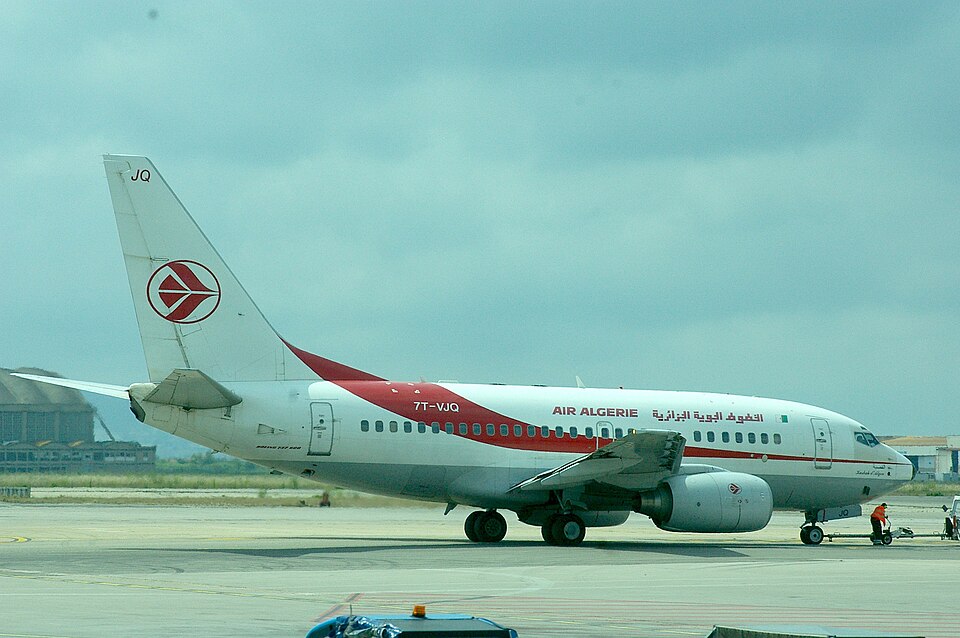
On 18 March 2006, a Boeing 737-600 aircraft with registration 7T-VJQ was involved in an accident at Seville Airport. The Spanish Civil Aviation Accident and Incident Investigation Commission (CIAIAC) conducted the investigation, publishing Report A-011/2006.
Factual Information
The report details the history of the flight, injuries to persons, damage to the aircraft, and other damage. Personnel information for the pilot in command and copilot is provided, along with aircraft information covering general data, engines, landing gear, and the dispatch load sheet. Meteorological information includes METAR and TAF reports, the weather situation at Seville, and storm warnings. Aids to navigation, communications, and aerodrome information are documented.
Flight Recorders and Wreckage
The digital flight data recorder (DFDR) and cockpit voice recorder (CVR) were examined. Wreckage and impact information, medical and pathological findings, fire aspects, and survival factors are covered. Tests and research included an inspection of the aircraft wreckage and a study of structural damage.
Analysis and Conclusions
The analysis section discusses dispatch and conduct of the flight, weather considerations, probable sequence of events, and fracture mechanism of the main landing gear right-hand support structure. The conclusions present findings and causes, though the explicit probable cause is not stated in the provided source. Safety recommendations were issued as part of the report.