History of the Flight
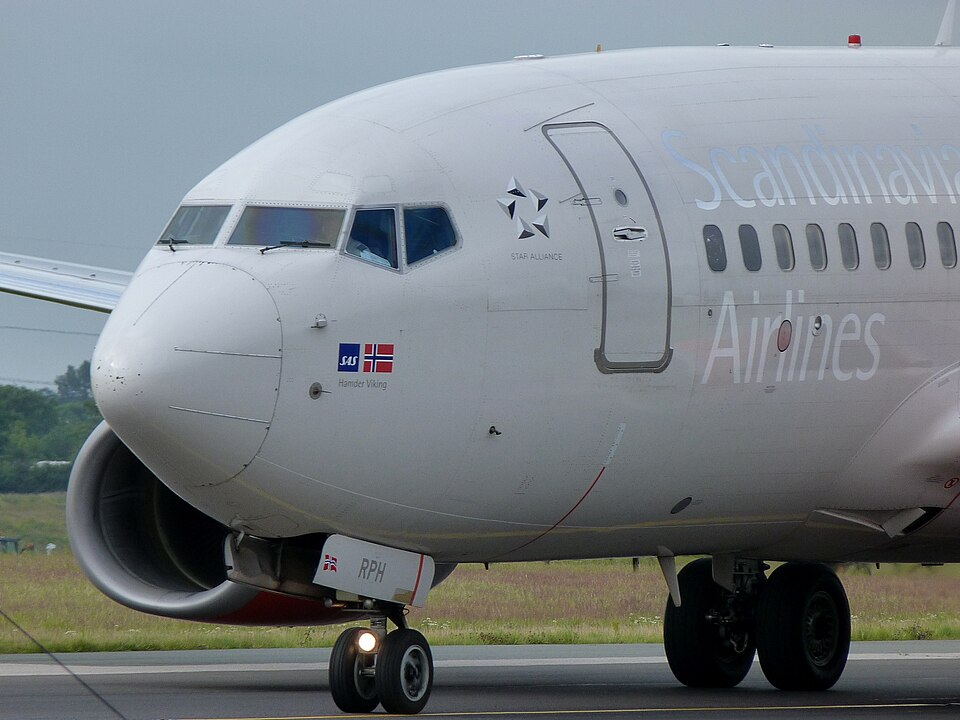
On 23 August 2010, a Boeing 737-600, registration LN-RPH, was on approach to Runway 27R at London Heathrow Airport. The aircraft was at Flight Level 110 in visual meteorological conditions with cumulonimbus clouds ahead extending to approximately 10,000 ft. The cabin seat belt signs had been illuminated and a pre-landing public address announcement describing the weather and the possibility of turbulence was made to the passengers by the pilots.
Weather
The Heathrow area was experiencing a low pressure system with unstable conditions. Recorded winds at 10,000 ft were westerly at 35-40 kt. The crew reported cloud tops of approximately 10,000 ft with low precipitation activity. The aircraft’s weather radar indicated a few weather cells, but these did not affect the aircraft while holding.
Turbulence Encounter
The aircraft was subjected to light turbulence when it deviated to the south of a weather cell indicated on the weather radar, followed by a brief period of more severe turbulence after it appeared to clear the cell. The cabin crew were securing the cabin for landing and were not restrained at the time. Three of the four cabin crew members, including the purser, were not aware of the weather-related comments in the PA announcement. One cabin crew member managed to sit in an empty seat but was unable to fasten the seat belt before being thrown into the air and hitting the cabin roof; despite this, she was uninjured. Another cabin crew member, seated on a crew seat in the rear galley and making a PA to the passengers, was also thrown into the air. She landed back on the seat and badly injured her back. The other cabin crew members were uninjured and attended to their injured colleague, who was in considerable pain and had to remain on the galley floor for the rest of the flight. An ambulance met the aircraft on landing, and the injured crew member was subsequently diagnosed with spinal injuries requiring hospitalization for 10 days.
Operator’s Investigation
The operator’s safety department investigated the occurrence and highlighted three similar occasions where cabin crew received serious injuries due to turbulence. In all cases, the cabin seat belt sign had been illuminated and the crew were unsecured, preparing the aircraft for landing. In one case, two crew occupying the aft galley were incapacitated during the approach, each having sustained bone fractures. The operator’s procedures called for the seat belt sign on short-haul aircraft to be illuminated 10 minutes prior to the expected landing time, but earlier when turbulence was expected. Cabin crew were to be seated during flight, with seatbelts fastened, when the seat belt signs were on, except when performing safety-related duties. During approach and landing, cabin crew were to be seated when the landing gear chime sounded until the aircraft vacated the runway. It was intended that the cabin crew should be made aware of expected enroute turbulence by the pilots, although the method of doing so was not specified.
Safety Actions
The operator’s safety department made internal recommendations: revise communications between the cabin and flight deck to clarify when just the cabin is secure and when both the cabin and cabin crew are secure; reconsider procedures on communicating when seat belts should/shall be used; introduce specific announcements to be made to passengers to help secure the cabin during unexpected turbulence but allowing the cabin crew to remain seated; include turbulence injuries during pilot recurrent training; and use the IATA Toolkit Standard Operating Procedures for Turbulence Management.