Accident Sequence
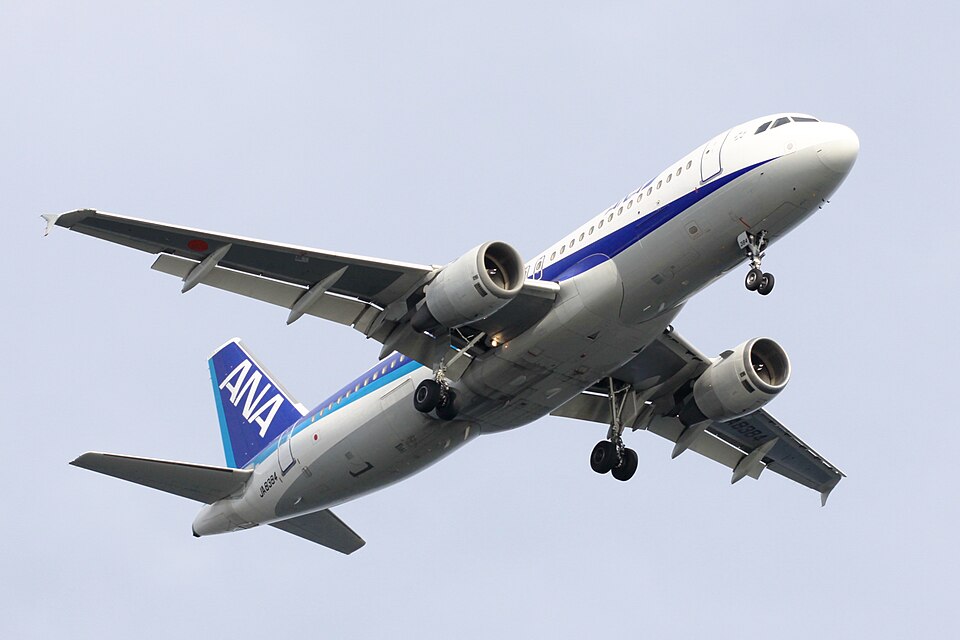
On February 5, 2012, an Airbus A320-200 registered JA8384 operated by Air Nippon Co., Ltd., was conducting scheduled Flight 731 from Osaka International Airport to Sendai Airport. The aircraft approached Runway 27 and touched down at approximately 09:03 Japan Standard Time. The captain, who was the pilot flying, decided to reject the landing after touchdown. During the go-around, the aircraft's nose was raised sharply, causing the lower part of the rear fuselage to contact the runway surface, resulting in damage to the airframe. The aircraft subsequently landed safely at Sendai Airport at around 09:27.
Aircraft and Occupants
The aircraft was an Airbus A320-200. A total of 166 persons were on board, comprising a captain, five crew members, and 160 passengers. None of the occupants sustained injuries.
Damage
The tailstrike resulted in damage to the lower rear fuselage. The extent of the damage is detailed in the investigation report.
Probable Causes
The Japan Transport Safety Board determined that the accident occurred when the aircraft rejected the landing after touching down, and its nose was raised sharply, causing the lower part of the rear fuselage to contact the runway. This sharp nose-up pitch was likely due to the captain's decision to reject the landing under circumstances where he could not recognize the touchdown of the main landing gears because of a soft landing. Additionally, the balanced pitching moment was disrupted by the captain's nose-up elevator input as the go-around was initiated from the full-aft sidestick position.
Contributing Factors
The investigation noted that the captain's inability to recognize the soft touchdown contributed to the timing of the go-around decision. The full-aft sidestick position at go-around initiation resulted in a substantial pitch-up moment.