Incident Overview
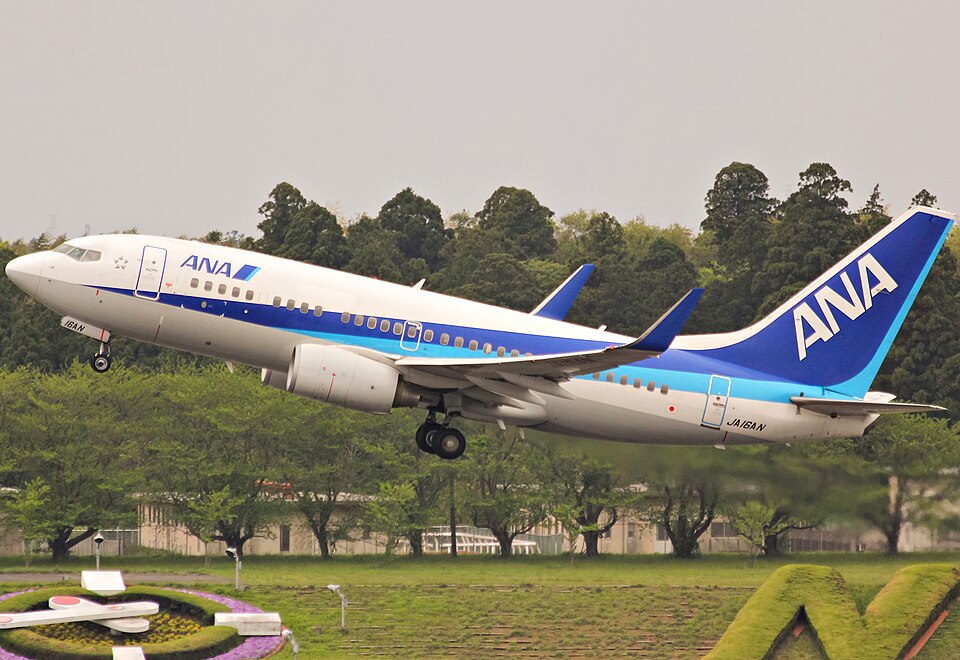
On September 6, 2011, at approximately 22:49 Japan Standard Time, a Boeing 737-700, registration JA16AN, operated by Air Nippon Co., Ltd., experienced an upset and subsequent nosedive at an altitude of 41,000 feet about 69 nautical miles east of Kushimoto, Wakayama Prefecture. The aircraft was operating as All Nippon Airways Flight 140 from Naha Airport to Tokyo International Airport. There were 117 persons on board, including the captain, first officer, three cabin attendants, and 112 passengers. Two cabin attendants sustained slight injuries. The aircraft was not damaged.
Aircraft and Crew
The aircraft was a Boeing 737-700. The flight crew consisted of a captain and a first officer. The first officer had previously flown the Boeing 737-500 and was transitioning to the 737-700.
Sequence of Events
According to the Digital Flight Data Recorder and crew statements, the captain left the cockpit, and the first officer attempted to operate the door lock control to allow the captain to reenter. However, the first officer erroneously operated the rudder trim control switch instead. The aircraft then entered an unusual attitude, exceeding the threshold for autopilot correction. The first officer's recognition of the upset was delayed, and his subsequent recovery actions were partially inappropriate or insufficient. The aircraft lost lifting force and went into a nosedive.
Investigation Findings
The Japan Transport Safety Board determined that the serious incident occurred because the first officer erroneously operated the rudder trim control while intending to operate the door lock control to let the captain reenter the cockpit. The aircraft attitude became unusual beyond the autopilot's ability to maintain. The first officer's delayed recognition and partially inappropriate recovery operations led to a further unusual attitude, loss of lifting force, and nosedive, resulting in a situation equivalent to impeded aircraft operation.
Contributing factors included the first officer's incomplete adaptation to the changed location of the door lock control from the 737-500 to the 737-700, the physical similarity of the switches, excessive dependence on autopilot, and lack of experience with high-altitude upset recovery training including stall warnings. The investigation also noted the startle effect when the stick shaker activated during recovery.
Recommendations
The Board issued recommendations to All Nippon Airways, the Minister of Land, Infrastructure, Transport and Tourism, and the Federal Aviation Administration, urging improved training and design review.