Incident Overview
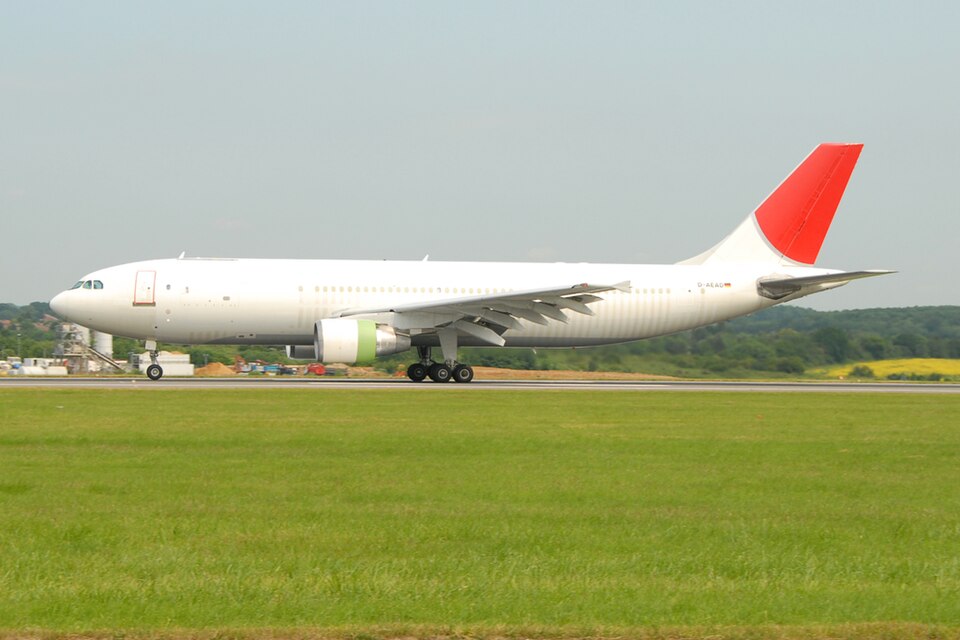
On 26 February 2019 at 2302 UTC, a cargo flight operated by an Airbus A300B4-622R(F), registration D-AEAD, was preparing to take off from runway 09R at London Heathrow Airport. The aircraft had been cleared for takeoff when the clearance was cancelled due to a runway incursion involving a maintenance vehicle.
Sequence of Events
Temporary work was scheduled overnight on several taxiways near runway 09R, including an entry point onto the runway. The work was to begin after the night flight curfew at 2330 hrs. Before commencement, the work area was to be protected by cones and glim lights placed across the taxiways. Two contractors from a company, both holding A Class airside driving permits (allowing driving on airside roadways and aprons but not taxiways or runways), were tasked with the coning-off work. They were to be supervised by a suitably qualified member of the airport's operations staff, as per normal practice.
About an hour before the work, the contractors attended a general briefing but no specific details of the coning-off work were provided. They were instructed to follow the airport operations department vehicle driven by a Senior Airfield Officer (SAO). The SAO's vehicle had an illuminated 'Follow Me' sign, but he overlooked switching it on. Upon reaching the work area, the SAO decided to delay starting because an aircraft due to depart before curfew might need to use some taxiways. He parked to wait. Unaware of this decision, the contractors placed cones and lights across the first taxiway. When the SAO's vehicle did not move, they assumed they were to continue alone, as they had done with other supervisors. The SAO chased after them, sounding his horn, but could not get their attention.
Expecting to see Bolton barriers (red and white reflective barriers used to block runway access points) at the runway entrance, the contractors instead found none and became disorientated, driving onto the active runway. At that time, the aircraft was lining up at the threshold and had takeoff clearance. The SAO immediately contacted ATC, who cancelled the takeoff before the aircraft began its takeoff roll. The contractors, realizing their error, turned around and vacated the runway quickly.
Training and Procedures
Training for the A Class airside driving permit does not include information on manoeuvring area or runway markings and lighting, but it includes training on markings delineating roadways and aprons from manoeuvring areas. Briefing material from the contracting company included information on setting up cones and care near runways. The contractor driving had signed that he read and understood the material months earlier, but his English proficiency may have affected his comprehension.
Investigation and Safety Actions
The airport's safety department investigated. It was considered that existing training was adequate since most A Class drivers would never drive near a runway. However, the airport produced a runway safety guide for drivers required to drive, escorted, on manoeuvring areas. The guide aims to help drivers with A Class permits recognize runway entry points and associated safety features such as illuminated red stop bars, runway guard amber lights, signs, and ground markings.
A Temporary Advice Notice (TAN) amended the Airside Local Operating Procedures (ALOP) for taxiway closure, requiring Bolton barriers to be in place before any work by contractors. A Safety Alert was issued to companies at the airport advising of the amendment.
Analysis
Both parties did not discuss how to approach the task before starting, leading to differing expectations. The airport has provided additional information to help drivers understand hazards when away from roadways and aprons. The incident underscores the safety benefit of placing Bolton barriers across runway access points. The revised ALOP now requires this earlier, potentially reducing the chance of similar runway incursions.