Incident Overview
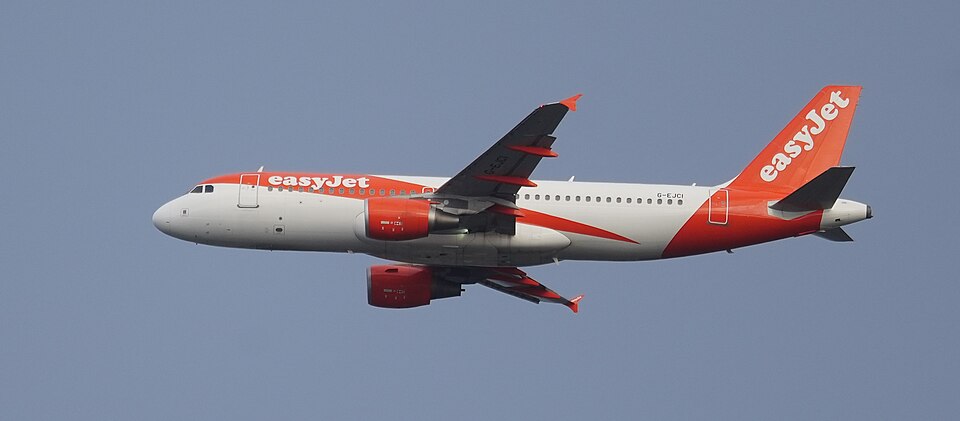
On 30 July 2023, an Airbus A320-214 (registration G-EJCI) operating a commercial passenger flight from Toulouse-Blagnac Airport, France, to London Gatwick Airport experienced a serious incident during departure. The aircraft took off from intersection N4 of Runway 32R instead of the cleared intersection N2, reducing the takeoff distance available from 2,300 m to approximately 1,800 m.
Pre-Flight Preparations
During pre-flight, both pilots calculated takeoff performance from intersection N2 using the operator's FlySmart+ application. The application only displayed full length (N1) and N2 as available options; N4 was not listed as it was prohibited for turbojets over 7 tonnes. The crew selected N2 and completed performance calculations accordingly.
Taxi and Clearance
The aircraft was pushed back from stand V10 and taxied to holding point N1 for Runway 32R. The crew requested and received clearance to use intersection N2. Tower cleared the aircraft to line up and take off from N2 with 2,300 m available. As the aircraft approached the N4 intersection, the commander turned onto the runway via N4. The crew did not notice that they had entered at the wrong intersection, and the Tower controller did not visually monitor the aircraft.
Takeoff and Discovery
The crew completed line-up checks, with the commander declaring a clearance for N2. The takeoff was initiated from N4. The aircraft rotated with approximately 500 m of runway remaining and passed the upwind end at 180 ft. During the climb, the crew realized they had departed from N4 after reviewing their performance calculations and taxi routing.
Crew Actions and Workload
The co-pilot was heads-down performing checks due to a compressed timescale, and he did not see runway signage at N4. The commander was focused on monitoring the co-pilot and also did not see the signs. The operator's investigation noted that the co-pilot, with 347 total hours, recognized he was overwhelmed but did not communicate this to the commander. The commander, with 16,488 hours, had an expeditious mindset due to a challenging operational environment.
Safety Actions
The operator, Toulouse ATC, and DSNA implemented safety actions to strengthen procedures to prevent reoccurrence. The operator's FlySmart+ application does not display intersections not available for use, which may have contributed to the lack of awareness of N4's location relative to N2.