Incident Overview
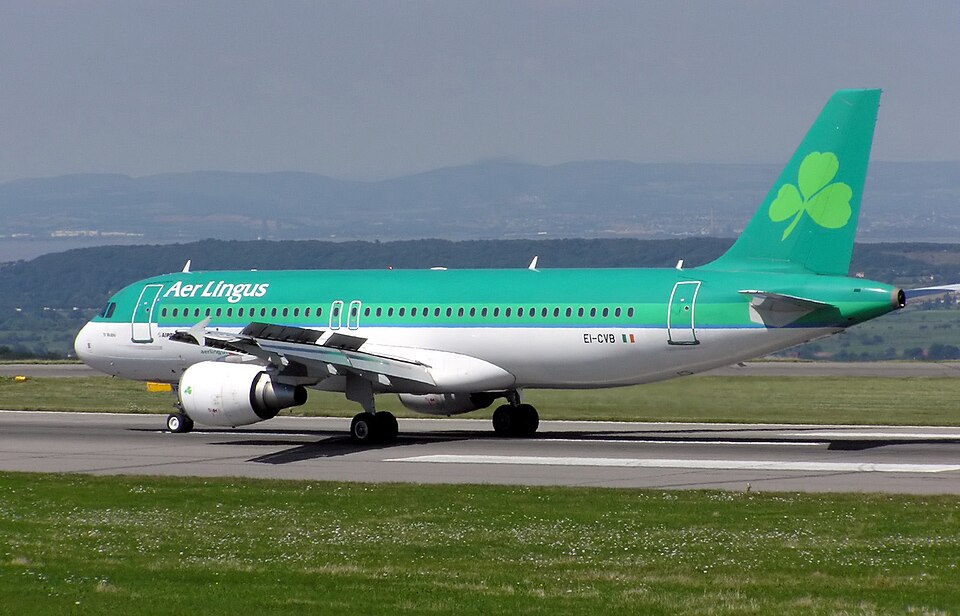
On 3 February 2018, an Airbus A320 (registration EI-CVB) operating a scheduled passenger flight landed on Runway 26L at Gatwick Airport. About 12 seconds after touchdown, as the aircraft was decelerating, air traffic control cleared a runway inspection vehicle (callsign Leader 6) to enter the runway at Hold G1. The vehicle entered the runway and drove east towards the aircraft, which was approaching Rapid Exit Taxiway (RET) Foxtrot Romeo at a reported speed of about 60 kt. The aircraft vacated the runway at RET Foxtrot Romeo and changed to the ATC Ground frequency. The vehicle also vacated at the same exit.
The aircraft commander was surprised to see the vehicle entering the runway and believed the clearance had been conditional on the aircraft vacating first. He subsequently submitted a safety report.
ATC Investigation
The ATC provider conducted its own investigation. It concluded that the crew had misunderstood the clearance, which had not been conditional on the aircraft vacating before the vehicle entered. It also stated that the crew were not familiar with the airport and runway exits, suggesting they were unaware of standard runway inspection procedures. The ATC investigation found no issues with the runway inspection process or this specific event, and considered the investigation closed.
However, a senior ATC manager later explained to the AAIB that the controller involved believed that the transmissions after touchdown amended the aircraft's landing clearance to vacate at RET Foxtrot Romeo, thereby allowing the vehicle to enter ahead of the aircraft. The manager noted that the transmissions lacked the necessary phraseology for the clearance to be effective or for the pilot to understand that a vehicle would appear ahead.
Airport Investigation
Following the incident, the Head of Airside Operations issued a verbal instruction that operations vehicles were not to enter the runway ahead of a landing aircraft unless the aircraft was seen to be fully committed to vacating. A subsequent report by the airport's Airside Operations Department largely reflected the ATC report's findings and also considered the investigation closed. However, it noted that a joint review of inspection procedures would be conducted to explore safety and efficiency improvements.
Managing the Review
Recent appointments in senior management had reduced experience levels in some areas. The management of the review fell to a duty manager who had previously investigated a vehicle incursion incident in November 2017 but had only been a duty manager for a short time with no formal investigation training. A working group was established but only held three meetings in 2018 due to scheduling difficulties.
Runway Inspection Procedures
At the time, there was no liaison between airport operations and ATC to arrange suitable times for runway inspections. Operations staff would contact ATC from their vehicle when needing clearance to enter the runway. Both airport operations and ATC staff reported feeling pressured to complete inspections in existing gaps between aircraft movements. The Aerodrome Manual required a minimum of four runway inspections per day, and a standard operating procedure for runway inspections existed but did not cover the other runway.