Ultralight Crash in Chonburi Kills Pilot Due to Wing Fabric Failure
An X-AIR HAWK ultralight crashed in Chonburi, Thailand, killing the pilot and injuring a passenger. The accident was caused by deteriorated wing fabric and…
On February 2, 2016, an AIRBUS - A321 (registration SX-BHS) operated by Daallo Airlines occured was involved in an aviation accident near in Somalia, FR. Investigators recorded the probable cause as: The passenger seated at 16F triggered a blast device from a laptop, resulting in a terrorist attack. This summary draws on records from the French Bureau d'Enquêtes et d'Analyses (BEA); 9 related events involving the same aircraft type or operator are linked below.
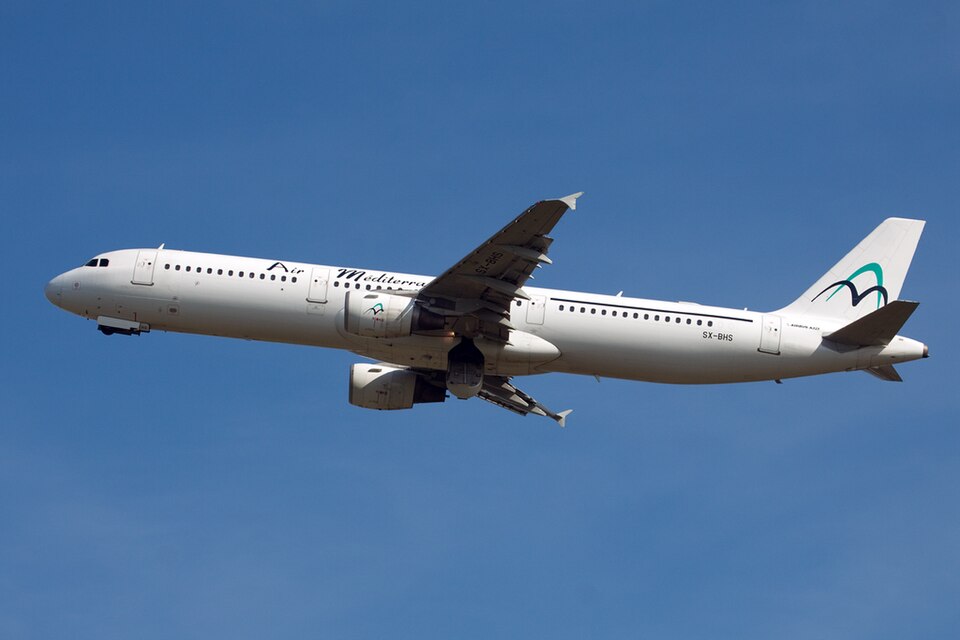
On February 2, 2016, an Airbus A321 operated by Daallo Airlines suffered a bomb explosion during initial climb from Mogadishu. The crew made an emergency return, landing safely. One passenger was killed and three injured.
The passenger seated at 16F triggered a blast device from a laptop, resulting in a terrorist attack.
An X-AIR HAWK ultralight crashed in Chonburi, Thailand, killing the pilot and injuring a passenger. The accident was caused by deteriorated wing fabric and…
A Challenger II Special ultralight aircraft (U-B23) landed off-runway at Pai Airport, Mae Hong Son, on September 17, 2024, due to a gust of wind. No injuries…
The Polish aviation safety authority is investigating a serious incident involving an AT-3R100 aircraft that occurred on September 2, 2024. The investigation…
A SZD-48-3 glider suffered damage when its left wing struck a ground obstacle during a low final approach at EPWK on June 20, 2025. The pilot was uninjured.
A 39-year-old skydiver died after a hard landing near Leszno on May 1, 2026. The PKBWL preliminary report indicates the fatal impact resulted from a late,…
A student pilot crashed an SZD-50-3 Puchacz glider into the airfield fence during a solo training flight on June 6, 2026. The pilot was uninjured, but the…