Summary
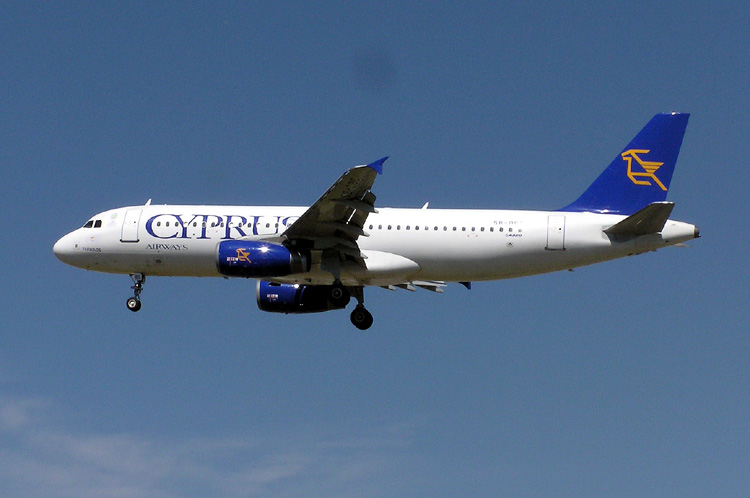
On 19 June 1999 at 1050 UTC, an Airbus A320 (registration 5B-DBC) operating a public transport flight with 7 crew and 174 passengers on board collided with a blast fence during pushback from Stand 12 at London Gatwick Airport. The aircraft sustained damage to the right elevator and stabiliser. No injuries occurred.
Incident Details
The aircraft was ready to depart with all passengers on board. Pushback was requested on ground frequency and clearance was given with the instruction to push "right back to the blast fence." This instruction was relayed to the headset man on the ground, who indicated familiarity with the requirement. The pushback commenced. The headset man, responsible for ensuring the area was clear, was monitoring the pushback but also watching another aircraft positioning onto Stand 12 behind him. The tug driver had recently completed training and had been released to operate without supervision a few days prior.
At the end of the pushback, the flight crew felt a slight jolt and asked the headset man the reason. He replied "that's nothing" and the crew instructed him to disconnect the tug. Neither the tug driver nor the headset man was aware of any contact with the blast fence. Another airport staff member saw the tail strike the fence and alerted the headset man, who then called the flight crew back, informing them of the collision and advising engine shutdown. Emergency services were requested and upon arrival confirmed the damage was limited to the right elevator and stabiliser with no fire risk.
The right elevator and stabiliser had impacted the angled end of the blast fence, causing substantial damage. The aircraft came to rest with the nosewheel and fuselage displaced 5.5 metres north of the taxiway centreline. If the marked centreline had been maintained during or upon completion of the pushback, the aircraft would have remained clear of the blast fence.
Ground Crew Actions
The tug driver was recently trained with limited experience. To correct the pushback direction, he would have needed to reverse a short distance before continuing forward, which would have caused a delay to the aircraft positioning onto Stand 12. Given the busy airport operations, this may have been a concern to the pushback team. The headset man responded to the flight crew's inquiry about the jolt without physically checking that the aircraft was clear. From his position at the front of the aircraft, he was unable to see all areas behind. He believed the aircraft had been pushed into a safe area and did not consider it necessary to go and check.
Stand and Procedure Issues
Stand 12 is located near the end of a cul-de-sac where an angled blast fence (approximately 80°) was relocated at the end of 1998. This change restricted the pushback area, making it essential to maintain the taxiway centreline. A second phase of work began on 29 March 1999, and information was distributed via Managing Director's Notice (MDN) 32/99. An assessment by the airport operator in March 1999 indicated no change to published pushback procedures was required. The blast fence end is difficult to see from the pushback area, and there were no ground markings to indicate a stop point for ground crews.
The ground handling company's instructions required aircraft to be pushed back into a safe area on or parallel to the taxiway centreline. Crews had developed a practice of using three red end-of-taxiway stop lights as a reference for a safe mainwheel limit. The company's procedures had not been changed when the blast fence was relocated.
Aftermath
Following the incident, the ground handling company amended pushback training and instructions, emphasising the importance of maintaining the taxiway centreline. The supervision period for tug driver qualification was extended. The airport operator revised taxiway markings in the area to include an appropriate stop indication at the nosewheel position.