Introduction
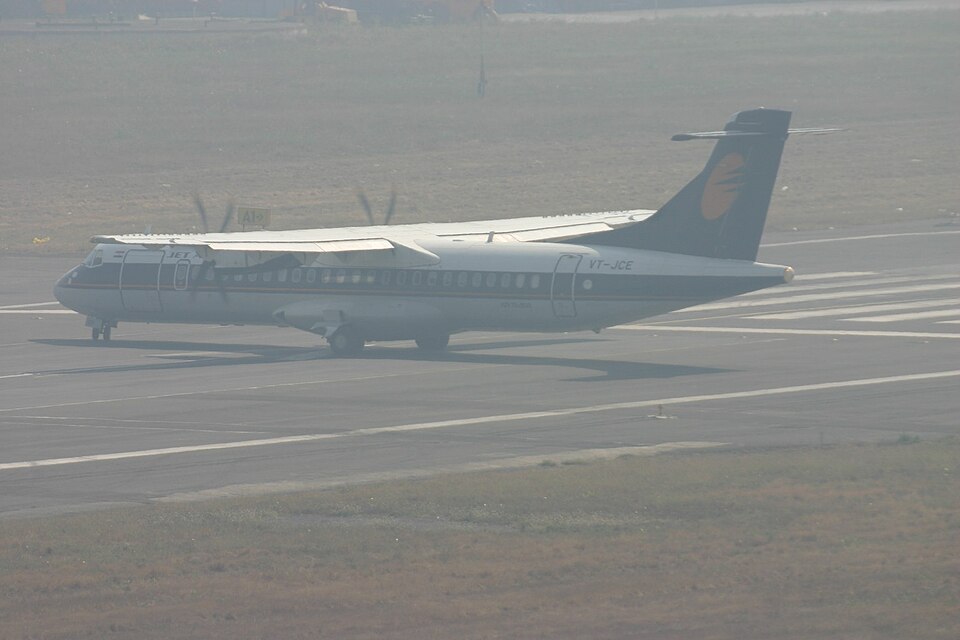
During the approach to land at Indore, the flight operations were normal. The subsequent landing, however, involved a hard touchdown that initiated a series of bounces, ultimately leading the aircraft to depart the runway.
Sequence of Events
After a normal approach, the aircraft touched down on the runway with moderate hardness, causing a high bounce. The pilots responded by increasing engine power, intending to reduce the sink rate and settle onto the runway. Instead, the aircraft impacted the runway with force, resulting in another bounce. This was followed by multiple successive bounces. During these bounces, the aircraft deviated from the runway centerline and moved to the right side. It finally came to a complete stop near the airport boundary wall. No fire occurred during the accident. All 53 persons on board evacuated the aircraft without injury.
Probable Cause
According to official findings, the pilot-in-command applied a self-devised technique due to the absence of established bounce recovery guidance. This technique involved continuously adding engine power while manipulating the aircraft's pitch in an attempt to recover from the bounces. These actions resulted in severe structural damage to the aircraft.