Overview
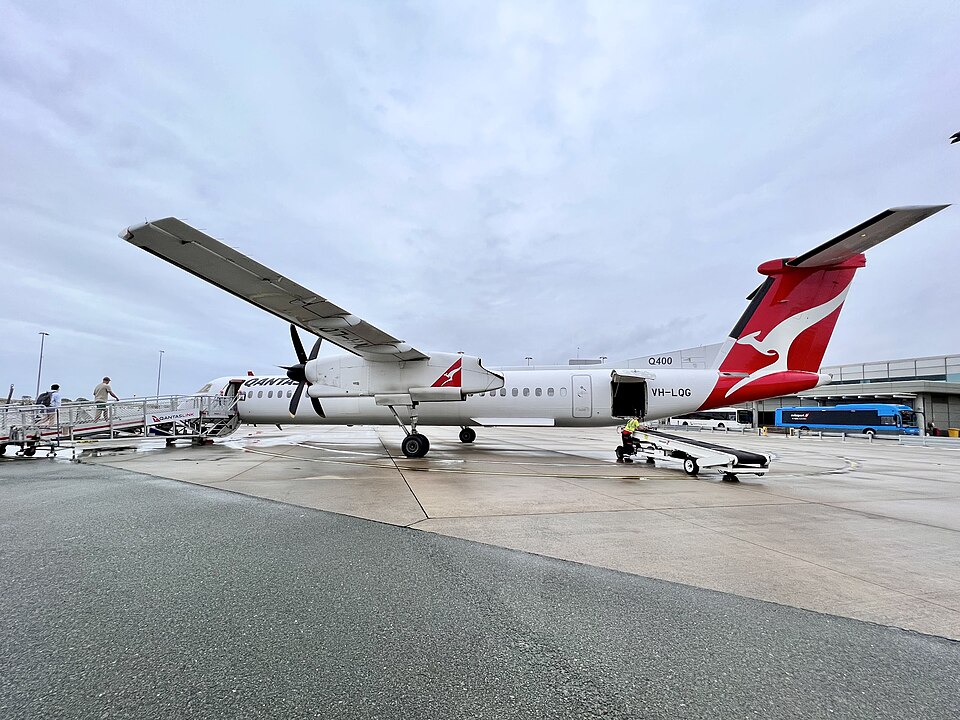
A loss of separation occurred between two aircraft after one of them, identified as LQG, did not maintain its assigned altitude of 5,000 ft on a track that conflicted with OKF. The incident involved a flight crew who encountered an autopilot mode reversion during a speed increase, leading to a series of events culminating in the altitude deviation.
Sequence of Events
While climbing, the pilot flying (PF) initiated a speed increase to 210 knots. At that time, the autopilot had not yet commenced capturing the assigned altitude. The speed increase was consistent with company practice of increasing speed when tracking towards the intended destination. As the PF increased speed, the autopilot began to capture the assigned altitude. These near-simultaneous events resulted in the autopilot reverting to pitch mode. The flight crew was aware of the potential for this autopilot behavior.
It is probable that the altitude capture occurred earlier than expected due to an unusually high rate of climb. The selection of normal take-off power on departure contributed to this high rate of climb.
Concerned that the autopilot was not correctly configured to maintain the assigned altitude, the PF disconnected the autopilot to hand-fly the aircraft. After the pilot monitoring (PM) selected the correct autopilot modes, the PF, believing the autopilot would successfully maintain the aircraft at 5,000 ft, decided to reconnect it. The PF attempted to do so but the action was not successful. The PF did not realize the reconnection had failed, and the PM did not correctly confirm the status of the autopilot.
It was probable that the PF was distracted by looking for conflicting traffic, rather than ensuring the autopilot was successfully reconnected.
Outcome
The loss of separation subsequently occurred after LQG failed to maintain 5,000 ft, deviating from its assigned altitude on a track that conflicted with OKF.