Investigation Findings
A Qantas internal investigation into a recent occurrence revealed that over the past six years, there had been 47 previous overspeed events involving the airline's Boeing 737-800 fleet. Of those, 20 were managed through manual intervention by overriding the autopilot into CWS-P mode.
The investigation also uncovered that it was common practice among Qantas Boeing 737-800 flight crews to descend at 320 knots (20 knots below the maximum operating speed, VMO) when cleared by air traffic control for a high-speed descent.
Procedural Gaps
This common practice was not documented as a standard procedure by either Qantas or Boeing. Consequently, the potential consequences of this practice were not considered when the autopilot was modified on some aircraft.
Flight Crew Information
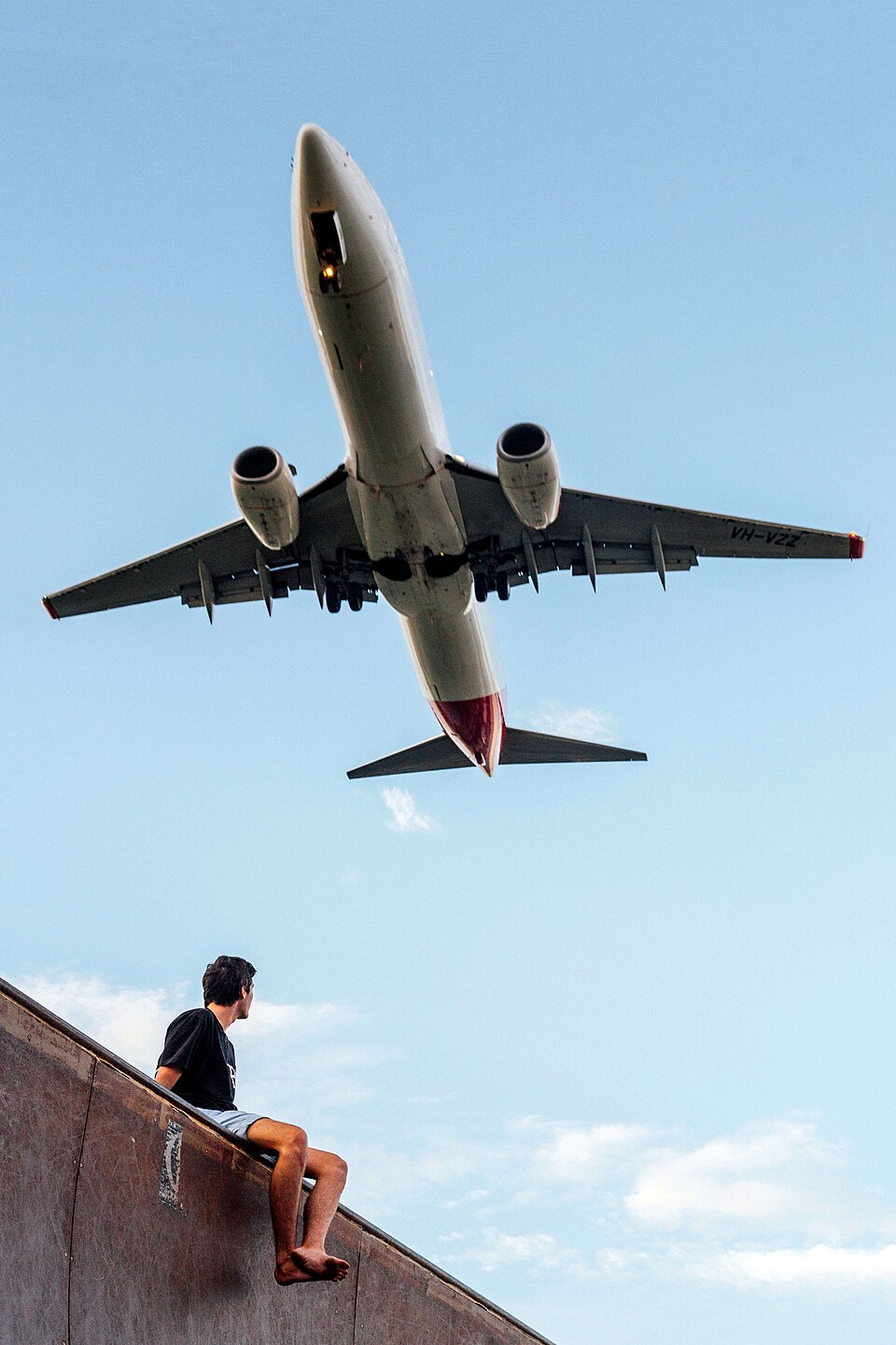
Qantas advised that the flight crew of the aircraft involved, designated VZZ, had no information indicating a risk of turbulence. The wind information in the flight plan did not show a significant change in wind direction during descent. Therefore, descending at 320 knots was not considered to present an increased risk.
Incident Sequence
The first officer of VZZ responded to an increase in speed toward VMO consistent with training, experience, and observations of other crew members. However, because VZZ had a modified autopilot, it was not possible to override it into CWS-P. When sufficient force was applied to the control column, the autopilot disengaged, resulting in abrupt elevator deflection and pitch change. This led to injuries among the cabin crew.