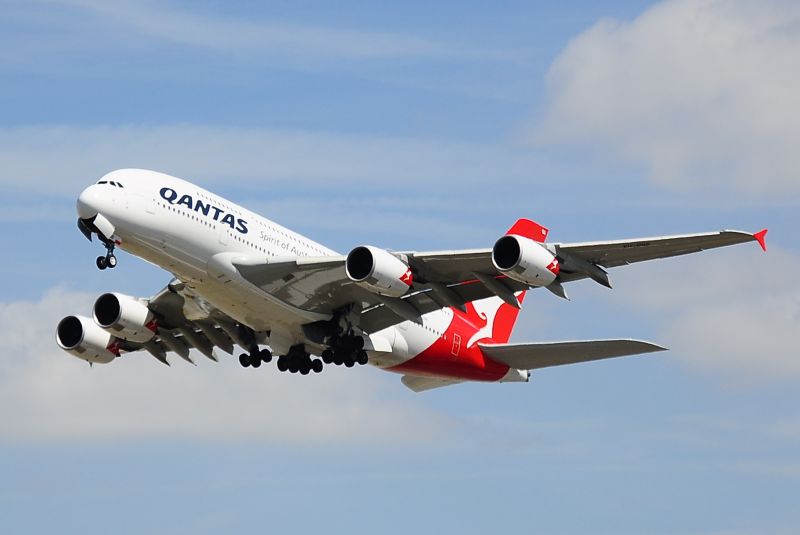
Engine failure caused by turbine blade corrosion

No fatalities • near Los Angeles International Airport, International

An investigation into an engine failure revealed that chemical residue from cleaning operations led to internal corrosion and subsequent blade fatigue.

What happened

An engine failure occurred involving a Trent 900 engine, which led to an engine shutdown. During the event, a fire warning was triggered, though subsequent investigations determined this was a spurious alert.

The investigation

Rolls-Royce, the manufacturer of the Trent 900, performed a teardown of the engine to identify the source of the failure. The inspection revealed that the low-pressure turbine stage 2 (LPT2) blades had suffered from internal corrosion. This corrosion caused fatigue cracking, which eventually led to the release of blade shroud debris. This debris traveled downstream, causing significant damage to the engine components.

Regarding the fire warning, investigators assessed the fire and overheat detection system. While no mechanical faults were found in the system itself, the manufacturer of the detector identified wear within the unit. This wear increased the unit's sensitivity to vibration, making it more likely to produce a false warning during the engine event.

Findings

  • The internal corrosion of the LPT2 blades was caused by chemical residue left inside the hollow blades following cleaning operations performed during the last service in July 2015.
  • Chemical residue from cleaning procedures was the primary driver of the blade fatigue and subsequent engine damage.
  • Vibration during the engine failure, combined with worn detector components, likely caused the spurious fire warning.

Probable cause

The engine failure was caused by fatigue cracking and the release of debris from low-pressure turbine stage 2 blades, which resulted from internal corrosion caused by chemical residue left behind during a previous cleaning service.

All Airbus A380-800 accidents →

Frequently asked questions

What happened in the 2017-05-20 Airbus A380-842 accident near near Los Angeles International Airport, International?

An investigation into an engine failure revealed that chemical residue from cleaning operations led to internal corrosion and subsequent blade fatigue.

Were there any fatalities in the 2017-05-20 Airbus A380-842 accident?

No fatalities were recorded in this accident.

What aircraft was involved and where did it happen?

The accident on 2017-05-20 involved a Airbus A380-842, registration VH-OQG, operated by Qantas Airways, at near Los Angeles International Airport, International.

What was the probable cause of the accident?

The engine failure was caused by fatigue cracking and the release of debris from low-pressure turbine stage 2 blades, which resulted from internal corrosion caused by chemical residue left behind during a previous cleaning service.

Loading the flight search…