Ultralight Crash in Chonburi Kills Pilot Due to Wing Fabric Failure
An X-AIR HAWK ultralight crashed in Chonburi, Thailand, killing the pilot and injuring a passenger. The accident was caused by deteriorated wing fabric and…
On August 22, 1981, a Boeing 737-200 (registration B-2603) operated by Far Eastern Air Transport - FAT was involved in an aviation accident near Sanyi, Taiwan in flight. 110 people were killed. Investigators recorded the probable cause as: Extensive corrosion damage in the lower fuselage structures, combined with possible undetected cracks from 33,313 pressurization cycles, led to rapid fracture, decompression, and midair disintegration. This summary draws on records from the Bureau of Aircraft Accidents Archives (B3A); 7 related events involving the same aircraft type or operator are linked below.
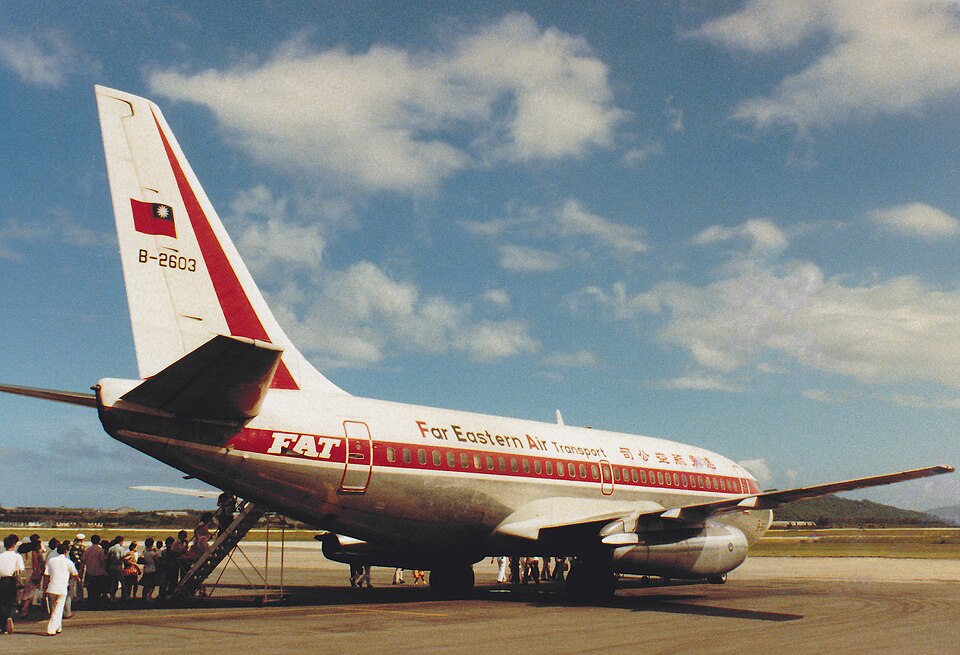
An aircraft crashed in Miaoli County after losing radar contact at FL220. The plane suffered explosive decompression and disintegrated, killing all 110 occupants. The cause was extensive corrosion and structural fatigue.
An X-AIR HAWK ultralight crashed in Chonburi, Thailand, killing the pilot and injuring a passenger. The accident was caused by deteriorated wing fabric and…
A Challenger II Special ultralight aircraft (U-B23) landed off-runway at Pai Airport, Mae Hong Son, on September 17, 2024, due to a gust of wind. No injuries…
The Polish aviation safety authority is investigating a serious incident involving an AT-3R100 aircraft that occurred on September 2, 2024. The investigation…
A SZD-48-3 glider suffered damage when its left wing struck a ground obstacle during a low final approach at EPWK on June 20, 2025. The pilot was uninjured.
A 39-year-old skydiver died after a hard landing near Leszno on May 1, 2026. The PKBWL preliminary report indicates the fatal impact resulted from a late,…
A student pilot crashed an SZD-50-3 Puchacz glider into the airfield fence during a solo training flight on June 6, 2026. The pilot was uninjured, but the…