No fatalities

2015-11-22: Boeing 737-300 (EX-37005) — Avia Traffic Company — Osh, Kyrgyzstan

Osh, KyrgyzstanLanding (descent or approach)

On November 22, 2015, a Boeing 737-300 (registration EX-37005) operated by Avia Traffic Company was involved in an aviation accident near Osh, Kyrgyzstan during landing or approach. No fatalities were reported. Investigators recorded the probable cause as: It was determined that the accident occurred in poor weather conditions with an horizontal visibility reduced to 50 meters and a vertical visibility limited to 130 feet. This summary draws on records from the Bureau of Aircraft Accidents Archives (B3A); 8 related events involving the same aircraft type or operator are linked below.

Sourcesthe Bureau of Aircraft Accidents Archives (B3A)Primary reportUpdated 1781192653Data APIEditorial standards
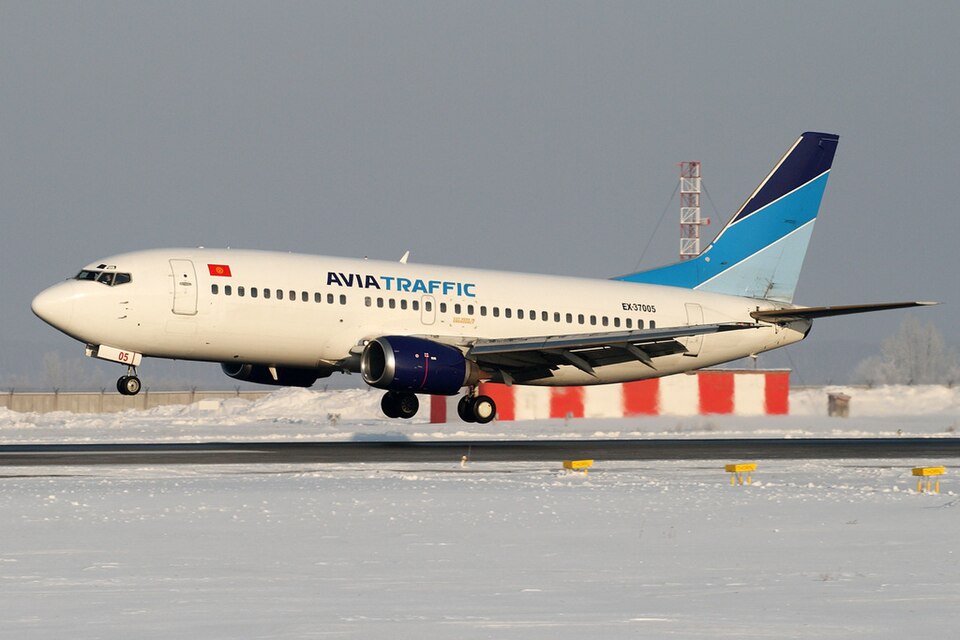
Aircraft registered EX-37005
Aircraft registered EX-37005. Photo: Gleb Osokin - Russian AviaPhoto Team / CC BY-SA 3.0, via Wikimedia Commons

A flight from Krasnoyarsk to Osh diverted to Bishkek due to fog, then departed for Osh where the aircraft struck the runway, overran, and was destroyed. Ten passengers were injured.

Background

The crew departed Krasnoyarsk-Yemilianovo Airport on a night flight to Osh, Kyrgyzstan. En route, they were informed that landing in Osh was impossible due to low visibility caused by foggy conditions. The captain decided to divert to Bishkek-Manas Airport, where the aircraft landed safely at 0520 LT. As weather conditions seemed to improve at the destination, the crew left Bishkek bound for Osh some ninety minutes later.

Accident

On approach to Osh, vertical visibility was reduced to 130 feet when the aircraft struck runway 12 surface violently. Upon impact, the left main gear was sheared off. The aircraft slid for several yards, overran the runway, hit obstacles, and came to rest in a field 529 meters past the runway end. The left engine was detached and the right engine destroyed. All 154 occupants were evacuated; ten passengers were injured, six of them seriously. The aircraft was damaged beyond repair.

Investigation Findings

The investigation determined that the accident occurred in poor weather conditions with horizontal visibility reduced to 50 meters and vertical visibility limited to 130 feet. It was reported that the accident was caused by the combination of the following factors: the crew decided to leave Bishkek Airport for Osh without taking into consideration the weather forecast and the possibility of deteriorating weather; the captain's competences for a missed approach procedure in poor weather conditions were limited to simulator training despite being certified for Cat IIIa approaches; failure of the crew to comply with standard operating procedures for a missed approach; wrong actions by the pilot in command while crossing the runway threshold at a height of 125 feet and about five seconds after initiation of the TOGA procedure, disrupting the go-around trajectory and causing the aircraft to continue descent; lack of reaction from the copilot who did not try to correct the wrong actions; lack of concentration by the crew who failed to control approach speed and failed to recognize increasing pitch angle; possible somatogravic illusions caused by fatigue due to duty time above 13 hours; and a non-proactive crew reaction when the GPWS alarm sounded.

Probable cause

It was determined that the accident occurred in poor weather conditions with an horizontal visibility reduced to 50 meters and a vertical visibility limited to 130 feet. It was reported that the accident was caused by the combination of the following factors: - the crew decided to leave Bishkek Airport for Osh without taking into consideration the weather forecast and the possibility of deteriorating weather, - the competences of the captain for a missed approach procedure in poor weather conditions were limited to a simulator training despite the fact that he was certified for Cat IIIa approaches, - failure of the crew to comply with the standard operating procedures for a missed approach, - wrong actions on part of the pilot in command while crossing the runway threshold at a height of 125 feet and about five seconds after the initiation of the TOGA procedure, disrupting the go around trajectory and causing the aircraft to continue the descent, - lack of reaction of the copilot who did not try to correct the wrong actions of the pilot in command, - lack of concentration on part of the crew who failed to control the approach speed and failed to recognize the pitch angle that was increasing, - it is possible that the crew suffered somatogravic illusions caused by fatigue due to a duty time period above 13 hours, - a non proactive reaction of the crew when the GPWS alarm sounded.