Summary
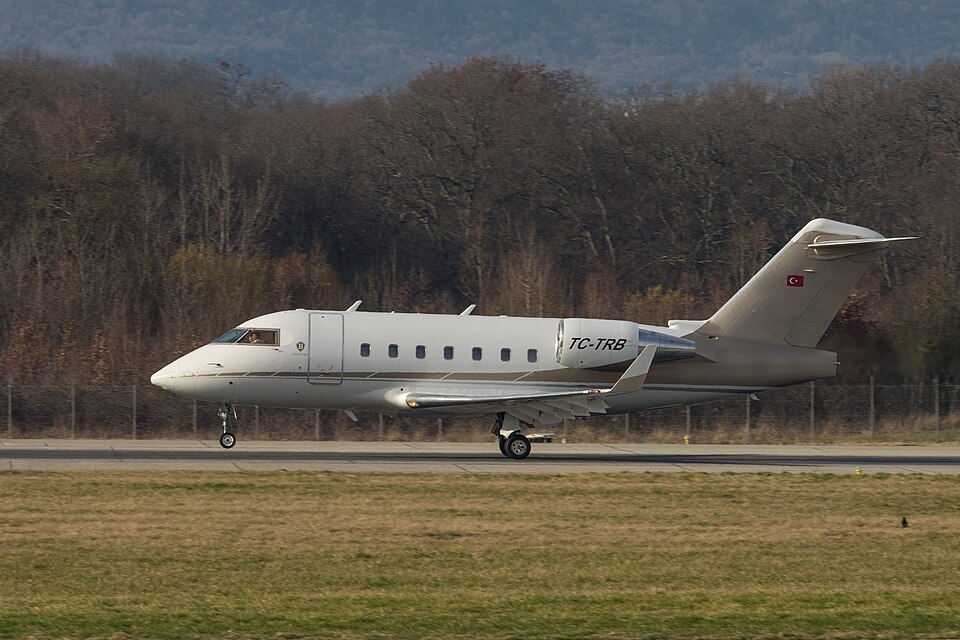
A Turkish Challenger 604 corporate jet impacted mountainous terrain near Shahr-e Kurd in Iran, resulting in the deaths of all 11 people on board. The aircraft had departed Sharjah, UAE at 13:11 UTC en route to Istanbul, Turkey. The accident occurred after a series of system malfunctions and crew actions that led to a loss of control.
Sequence of Events
Fifteen minutes after departure, the aircraft entered Tehran Flight Information Region (FIR). The Tehran Area Control Centre (ACC) controller cleared the flight to climb to FL360 as per its flight plan. Around 14:32 UTC, the pilot requested FL380, which was approved. Before reaching that altitude, the left and right airspeed indications began to diverge by more than 10 knots. The left (captain's) airspeed indication increased while the right (copilot's) indication decreased. A caution aural alert notified the crew of the discrepancy. Remarks by the flight crew suggested that an 'EFIS COMP MON' caution message appeared on the Engine Indication and Crew Alerting System (EICAS).
While climbing, the crew reduced thrust to idle. Approximately 63 seconds later, nearing FL380, the overspeed aural warning (clacker) sounded, indicating that the indicated Mach exceeded M 0.85. According to the Quick Reference Handbook (QRH), the pilot flying should have validated the indicated airspeed (IAS) using the aircraft flight manual and defined the reliable Air Data Computer (ADC) to select the correct air data source. The pilot did not follow this procedure and instead directly reduced engine power to decrease IAS after hearing the clacker. Consequently, the actual airspeed decreased to a stall condition. The copilot attempted to begin reading the 'EFIS COMP MON' abnormal procedure three times but could not complete it due to interruptions from the captain.
As speed decreased, the stall aural warning sounded, along with repeated activation of the stick shaker and stick pusher. The crew should have then applied a separate emergency procedure for stall recovery. The stick pusher acted to pitch the nose down to prevent a stall, but the captain, mistakenly believing the aircraft was in an overspeed situation due to the earlier erroneous overspeed warning, pulled back on the control column. The aircraft entered a series of pitch and roll oscillations. The autopilot, which had been disengaged by the crew before the stall warning, stopped the oscillations upon disengagement. Engine power then decreased on both sides until both engines flamed out due to the stall. From that point, flight data recorder (FDR) data was lost because the electric bus no longer received power from the engine generators. The cockpit voice recorder (CVR) continued recording for approximately 1 minute and 20 seconds on emergency battery power. Stall warnings, stick shaker, and stick pusher activations continued until the end of the recording. The aircraft then impacted mountainous terrain.
Weather and Possible Factors
Unstable weather conditions were present along the flight route over Iran, including moderate to severe turbulence and icing conditions up to 45,000 ft. These conditions could have caused ice crystals to block the left-hand pitot tube. Additionally, the aircraft had been parked at Sharjah Airport for three days in dusty conditions with pitot covers not initially applied; formation of dust inside the pitot tube was considered another possibility.
Probable Cause
According to the official investigation, the accident was caused by insufficient operational prerequisites for the management of erratic airspeed indication failure by the cockpit crew. Contributing factors included: the aircraft designer/manufacturer provided insufficient technical and operational guidance about airspeed malfunctions that previously occurred; and lack of effective Crew Resource Management (CRM).