4 fatalities

1978-05-18: Dassault Falcon 20 (N121GW) — Flight Safety International — Memphis, United States of America

Memphis, United States of AmericaLanding (descent or approach)

On May 18, 1978, a Dassault Falcon 20 (registration N121GW) operated by Flight Safety International was involved in an aviation accident near Memphis, United States of America during landing or approach. 4 people were killed. Investigators recorded the probable cause as: The collision occurred due to a failure in air traffic control coordination and inadequate separation of aircraft during the approach phase. This summary draws on records from the Bureau of Aircraft Accidents Archives (B3A); 8 related events involving the same aircraft type or operator are linked below.

Sourcesthe Bureau of Aircraft Accidents Archives (B3A)Primary reportUpdated 1781226651Data APIEditorial standards
Aircraft registered N121GW
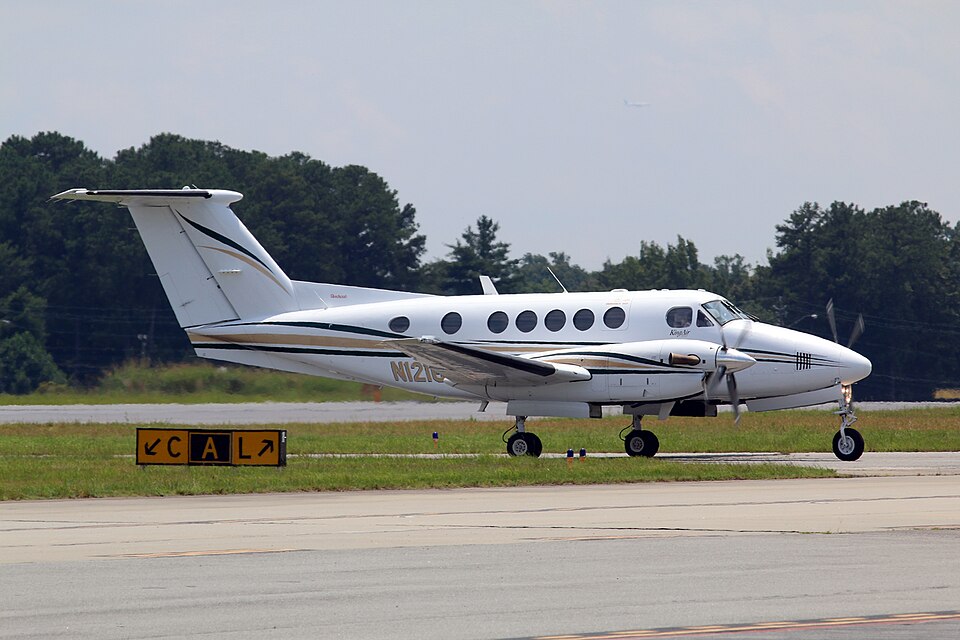
Aircraft registered N121GW. Photo: wiltshirespotter / CC BY-SA 2.0, via Wikimedia Commons

A mid-air collision between a twin-engine training aircraft and a Cessna 150 resulted in the deaths of all six people on board near Memphis.

What happened

During a local training mission at Memphis Airport, a twin-engine aircraft was executing various maneuvers. While the crew was maintaining an altitude of 2,000 feet and circling within the airport traffic pattern, the plane struck a Cessna 150, identified by registration N6423K. The Cessna 150 was occupied by two pilots at the time of the impact.

Immediately following the collision, both aircraft lost control and entered a descent. The planes crashed approximately 3.8 miles west of the airport. The accident resulted in six fatalities, accounting for all occupants from both participating aircraft.

Findings

Official investigations determined that the mid-air collision during the approach phase was primarily driven by ineffective coordination between air traffic controllers. Several contributing elements were identified in the sequence of events:

  • The pilot-in-command did not successfully identify or avoid the other aircraft.
  • Air traffic control provided insufficient separation between the two planes.
  • Controllers failed to provide necessary traffic advisories to the pilots.
  • There was a lack of evasive maneuvers performed by the crew.
  • A controller at Falcon incorrectly assumed that proper coordination had been established between local controllers.

Probable cause

The collision occurred due to a failure in air traffic control coordination and inadequate separation of aircraft during the approach phase.