3 fatalities

Hydraulic Failure Leads to Engine Failure and Crash Shortly After Takeoff (OO-CBA)

Gao, MaliTakeoff (climb)

On July 24, 1951, a Douglas DC-3 (registration OO-CBA) operated by SABENA - Société Anonyme Belge d'Exploitation de la Navigation Aérienne was involved in an aviation accident near Gao, Mali during takeoff. 3 people were killed. Investigators recorded the probable cause as: It was determined that the right engine failed shortly after rotation due to a hydraulic failure. Meanwhile, hydraulic fluid spurted on the cockpit windshield, temporarily reducing the visibility of the pilots who lost control of the airplane. This summary draws on records from the Bureau of Aircraft Accidents Archives (B3A); 8 related events involving the same aircraft type or operator are linked below.

Sourcesthe Bureau of Aircraft Accidents Archives (B3A)Primary reportUpdated 2026-06-12Data APIEditorial standards
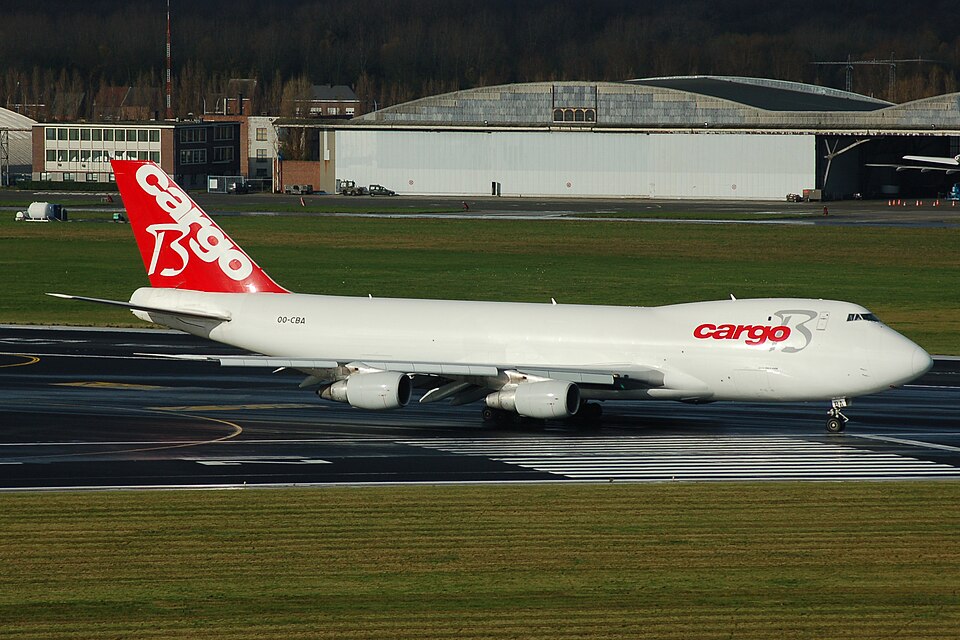
Aircraft registered OO-CBA
Aircraft registered OO-CBA. Photo: Wim Bladt / CC BY-SA 3.0, via Wikimedia Commons

An airplane crashed shortly after takeoff from runway 25 after a right engine failure due to hydraulic failure. Hydraulic fluid on the windshield reduced visibility, leading to loss of control and fatal crash.

Accident Overview

An airplane crashed shortly after takeoff from runway 25. The aircraft had just become airborne and was climbing to a height of 10 metres when it turned sharply to the left. It continued climbing to 30 metres and then turned left again. Subsequently, the airplane lost altitude, struck the ground with its left wing tip, and crashed near the runway, bursting into flames.

Occupant Fatalities and Injuries

Both pilots were killed in the crash. The radio navigator sustained serious injuries and died the following day from injuries sustained.

Probable Cause

According to the official investigation, the probable cause of the accident was a failure of the right engine shortly after rotation. This failure was attributed to a hydraulic system malfunction. Additionally, hydraulic fluid sprayed onto the cockpit windshield, temporarily reducing the pilots' visibility. Due to the reduced visibility and loss of control, the airplane crashed.