What happened
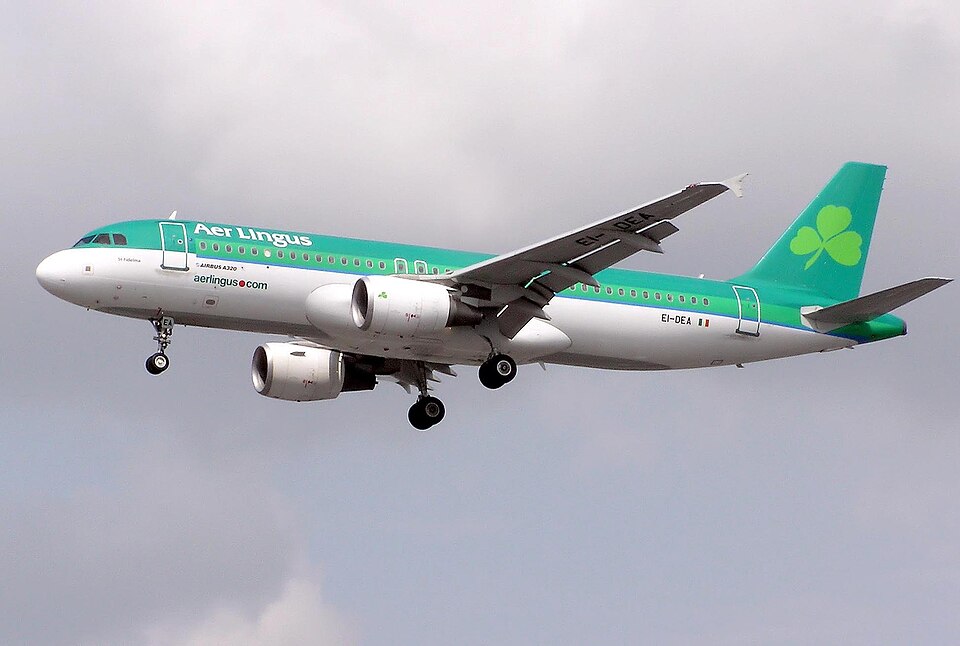
On November 7, 2013, a Piper PA-28-161, registration EC-IKG, operating a flight training mission, and an Airbus A320-214, registration EI-DFA, operating a commercial flight, experienced a near mid-air collision in the vicinity of Málaga Airport (LEMG).
The Piper aircraft departed runway 31 at 11:32 UTC. Approximately two minutes and 47 seconds later, the Airbus A320 was cleared for takeoff from the same runway. Because the Airbus has significantly higher performance capabilities than the Piper, established procedures required the Tower controller to request a handoff to Málaga Approach (APP) to ensure separation, unless more than five minutes had elapsed between departures. This request was not made.
As the Airbus climbed, it rapidly closed the gap with the slower Piper. The separation eventually reduced to a critical minimum of 0.6 NM horizontally and 100 ft vertically. The conflict was only identified after Málaga Approach noticed the discrepancy and instructed the Piper to perform an immediate left turn. While the maneuver prevented a collision, the Piper was forced to fly below the minimum radar surveillance altitude for that sector.
The investigation
The CIAIAC investigation focused on the air traffic control (ATC) operations at Málaga Tower. The investigation examined the coordination procedures between the Tower and Approach controllers, as well as the electronic flight progress strip system (OSF) in use at the time.
Investigators found that the Tower position was being manned by an instructor and a trainee controller. The investigation also reviewed the software functionality of the electronic strip system, noting that the flight progress strip for the Piper aircraft disappeared from the Tower controller's display once the aircraft was transferred to the Approach frequency. This disappearance prevented the Tower controller from easily monitoring the ongoing separation requirement.
Findings
- The primary cause of the incident was the failure of Málaga Tower to observe the separation procedure for consecutive departures when the following aircraft has superior performance.
- The electronic flight progress strip for EC-IKG disappeared from the Tower controller's screen once the aircraft was assumed by Málaga Approach, reducing situational awareness.
- The trainee controller and the instructor failed to detect the developing conflict through radar monitoring or through the communications provided by Málaga Approach.
- The instructor's supervision of the trainee was not effective in preventing the procedural error.