Introduction
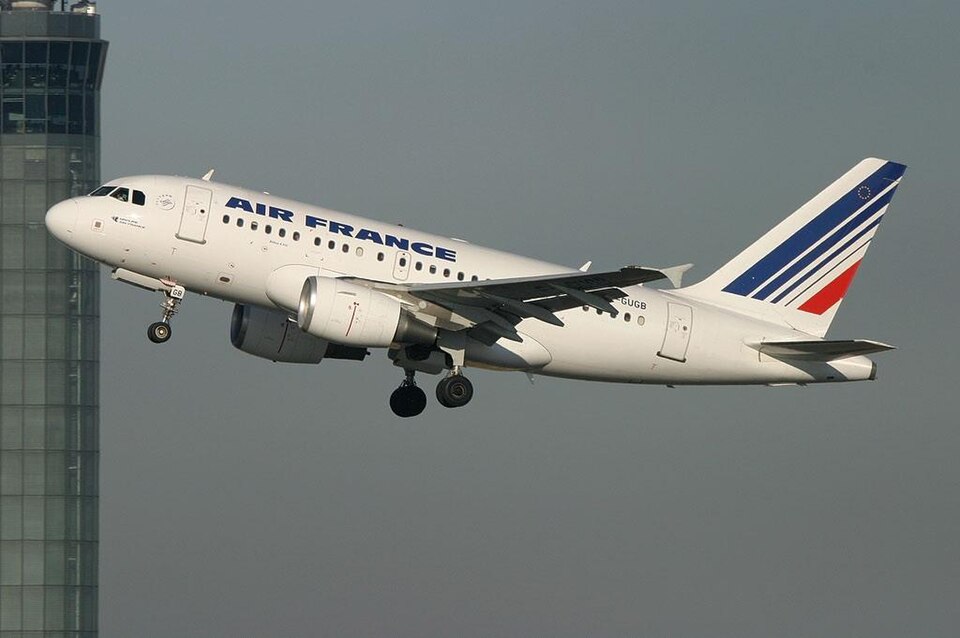
This article describes two separate incidents that occurred on Air France flights in late March 2017. The first incident involved an Airbus A318, registration F-GUGB, on 28 March 2017 at around 21:30 local time at Paris Charles-de-Gaulle. The second incident involved an Airbus A321, registration F-GTAT, on 30 March 2017 at around 17:50 local time at Toulouse-Blagnac. Both flights experienced excessive nose-up attitudes during climb, leading to activation of the alpha-floor protection system.
Incident 1: A318 at Paris Charles-de-Gaulle
The crew, consisting of a Captain (Pilot Monitoring) and a First Officer (Pilot Flying), along with three cabin crew and 35 passengers, prepared for a commercial passenger flight. The crew decided to use maximum take-off thrust (TOGA) for training. During the take-off briefing, they discussed the effects of the aircraft being light, including significant acceleration, the need for a greater nose-up attitude, and quicker configuration changes.
Five seconds after lift-off, the pitch attitude reached 19.7° with a maximum indicated airspeed of 147 kt. Six seconds later, the attitude increased to 24.6°, speed dropped to 141 kt, and the pilot's sidestick deflection was 11.7° nose-up and increasing. The nose-up attitude protection activated for about six seconds. Shortly after, despite the attitude protection being active, sidestick deflection exceeded 14° (87.5% of maximum), triggering alpha-floor protection. The A.FLOOR message appeared briefly on the Flight Mode Annunciator, followed by TOGA LK until the auto-thrust was disconnected. The angle of attack remained below Alpha-Prot.
The pilot reduced nose-up input and applied nose-down input for two seconds, decreasing attitude to 20° and stabilizing speed around 140 kt. Thirteen seconds after alpha-floor activation, the Pilot Monitoring pressed the A/THR disconnect button, then reset it via the glareshield. The power levers were set to climb, re-engaging A/THR. The pilots reported not seeing the A.FLOOR message but did see TOGA LK and did not feel thrust adjustments. The climb continued without further incident.
Incident 2: A321 at Toulouse-Blagnac
Three days later, the same crew operated a ferry flight on an Airbus A321 (F-GTAT) with no passengers. The Captain was Pilot Flying. To investigate the previous TOGA LK event, they again used TOGA thrust and limited initial attitude to 7.5° to reduce tailstrike risk. The Pilot Flying continued rotation to 17°, with airspeed peaking at 160 kt then decreasing as attitude increased to 24°. Alpha-floor protection activated at about 750 ft due to sidestick deflection >14° and active nose-up attitude protection. The A.FLOOR and TOGA LK messages were observed. The activation lasted less than one second. Eight seconds later, the crew disconnected and reset A/THR, then set power levers to CLIMB. Angle of attack remained below Alpha-Prot. The climb continued normally to approximately FL100.
At FL100, the crew contacted the south-west enroute control centre and requested climb to FL140. The controller cleared them to FL190. The crew noted the aircraft was light and would have a steep rate of climb. During the climb through FL143, radar recorded a rate of climb of over 13,000 ft/min, triggering a conflict alert with a converging aircraft at FL400. The crew advised nearing FL190, and the controller asked them to reduce rate of climb.
Recorded parameters showed the aircraft leveled at FL104, accelerated to 350 kt, then the attitude increased to about 27° due to nose-up inputs (sidestick deflection max 7.6°, autopilot disengaged, A/THR engaged in CLB mode). Attitude protection activated. Vertical speed briefly reached 15,000 ft/min, minimum airspeed about 220 kt. Angle of attack remained between 0 and 3.2°. The rate of climb was reduced, and FL190 was captured normally with autopilot engaged. The crew stated this steep climb was a voluntary manoeuvre during a passenger-free flight.
Crew Information
The Captain, aged 51, held an Airline Transport Pilot Licence obtained in 2004, hired in 1999, and captain on A320 since 2008. He had about 9,500 total flight hours, including 6,700 on A320 family aircraft. The First Officer, aged 36, held an ATPL obtained in 2012, hired in 2008, and had about 5,500 flight hours, almost all on A320 family aircraft. The two pilots knew each other for a long time and regularly flew together.
Aircraft Systems
The A320 family aircraft have nose-up attitude protection: maximum 30° nose-up, reduced to 25° at low speed in configurations 0–3, and to 20° in FULL configuration. Flight Director bars disappear when attitude exceeds 25° and reappear below 22°. Alpha-floor protection is automatically activated when the angle of attack exceeds a threshold or when sidestick deflection exceeds 14° nose-up with either attitude or angle of attack protection active. Activation triggers maximum thrust and displays A.FLOOR on the FMA; when conditions cease, TOGA LK is shown. The pilot can cancel by disconnecting A/THR.