Incident Overview
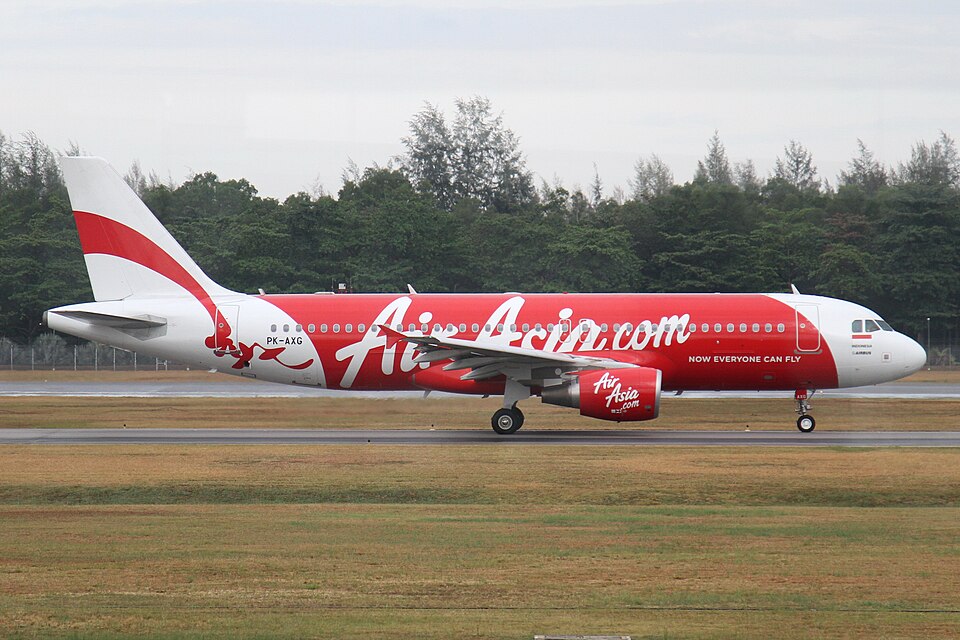
On 20 November 2013, a runway incursion occurred at Adisutjipto International Airport, Yogyakarta, Indonesia, involving an Indonesia Air Asia Airbus A320 (registration PK-AXG) operating flight AWQ 8411 and a Batik Air Boeing 737-900ER (registration PK-LBH) operating flight ID 6360. The A320 was taxiing for departure while the B737 was on approach for landing.
Sequence of Events
The airport had been closed due to heavy rain from 0003 UTC to 0030 UTC and reopened at 0035 UTC. At 00:36 UTC, the A320 pilot requested taxi clearance. The Adi Tower controller cleared the aircraft to taxi to the holding point for runway 27 via taxiway November Two (N2). The pilot reconfirmed the taxiway and requested November Three (N3) instead. The controller reiterated N2 and issued an ATC clearance. The pilot misinterpreted the clearance, believing the holding point was on N3 near the runway threshold.
While taxiing, the pilot-in-command noticed an aircraft on final approach and shouted. Simultaneously, the tower controller instructed the A320 to hold position. The pilot selected reverse thrust and applied brakes, stopping the aircraft with its nose 16 meters beyond the yellow holding line on N2, at an approximate heading of 170 degrees, partially on the runway.
Meanwhile, the B737 was under the control of the Yogya Approach controller. The approach controller cleared the B737 to land if the runway was in sight, and the pilot reported the runway in sight at 3.5 nautical miles from touchdown. When the A320 entered the runway, the B737 was approximately 600 feet above ground level. The Adi Tower controller instructed the approach controller to order a go-around, but this instruction was not passed to the B737 pilot, as the controller believed a go-around on short final could jeopardize safety. The tower controller then directly instructed the B737 to go around, but the instruction was not acknowledged by the B737 pilots.
The B737 touched down, and the pilot saw the A320 on the runway ahead. The pilot applied maximum manual braking and full reverse thrust. The aircraft stopped approximately 100 meters from the A320. The actual landing distance was about 1,650 meters. According to performance calculations, the required landing distance for medium braking was 2,016 meters and for good braking was 1,467 meters.
Contributing Factors
The investigation identified two contributing factors:
- Misinterpretation between pilots and controller regarding the position of the holding point for runway 27, and the taxi clearance was never clearly clarified.
- There was no transfer of control from Yogya Approach controller to Adi Tower controller. The landing clearance for the B737 was issued by the Yogya Approach controller, which resulted in the go-around instruction from Adi Tower controller not being acknowledged by the B737 pilots.
Safety Actions and Recommendations
During the investigation, safety actions were taken by Batik Air and Indonesia Air Asia. The Komite Nasional Keselamatan Transportasi (KNKT) issued safety recommendations to AirNav Indonesia and the Directorate General of Civil Aviation (DGCA) to address the identified issues.