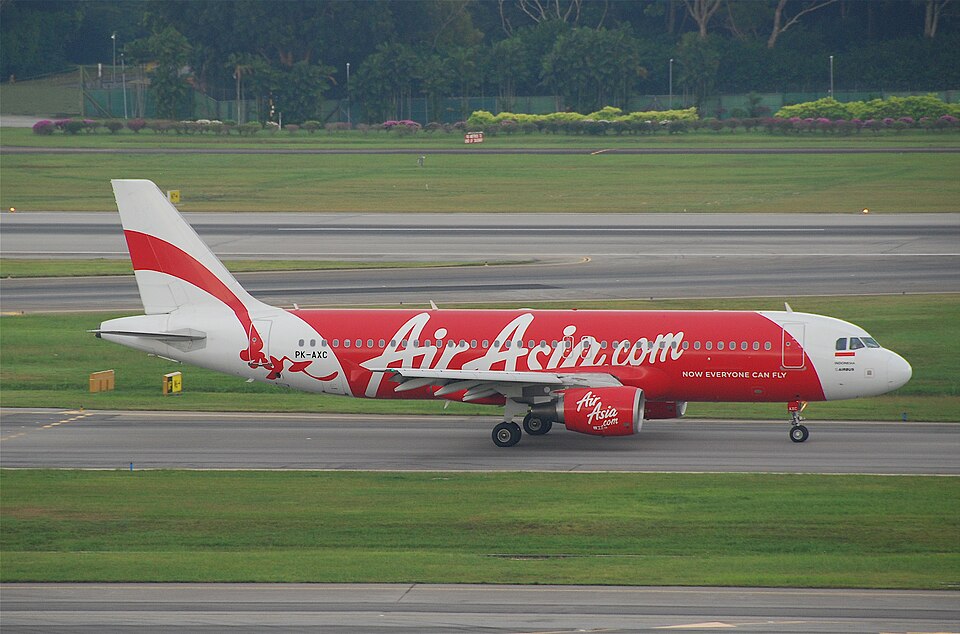
Airbus A320 Crashes in Karimata Strait Following System Malfunction and Pilot Response Issues

Casualties unknown • Karimata Strait, ID

An Indonesia AirAsia Airbus A320 crashed in the Karimata Strait after an uncommanded roll and stall, driven by a combination of technical failures and the crew's inability to manage an unusual attitude.

What happened

On 28 December 2014, an Airbus A320-216, registration PK-AXC, operated by PT. Indonesia AirAsia, crashed into the Karimata Strait. During the flight, the aircraft experienced an uncommanded roll and a subsequent stall. The crew encountered significant difficulties managing the aircraft's unusual attitude, leading to a loss of control and the eventual impact with the water.

The investigation

The KNKT investigation focused on the sequence of events leading to the loss of control, specifically examining the aircraft's flight control systems and the crew's reaction to the emergency. Investigators analyzed the flight data recorder (FDR) and cockpit voice recorder (CVR) to reconstruct the flight path and the crew's communications. A critical component of the probe involved examining the Rudder Travel Limiter Unit (RTLU) and the Flight Augmentation Computers (FAC). The investigation also looked into maintenance records, specifically regarding how previous defects in the rudder system had been handled by line maintenance personnel.

Findings

  • An uncommanded roll was initiated by an electrical interruption affecting the flight control systems.
  • The crew experienced a stall following the uncommanded roll and subsequent improper control inputs.
  • The investigation identified a failure in the aircraft's rudder travel limitation system, linked to the maintenance handling of known defects.
  • The crew's ability to recover was severely compromised by a 'startle response' and a 'vicious circle' of cognition, where the intense stress of the situation led to a focus on immediate threats at the expense of the complex problem-solving required to interpret abstract flight deck information.
  • The pilot's mental model became 'stuck' during the unusual attitude, preventing effective recovery maneuvers.

Safety action

  • The investigation highlighted the need for aircraft operators to review and enhance upset recovery training.
  • There is a recognized need for improved maintenance procedures regarding the monitoring and rectification of rudder travel limiter issues to prevent recurring system instabilities.

Probable cause

The accident was caused by an uncommanded roll and subsequent stall, resulting from a combination of technical malfunctions in the flight control systems and the crew's inability to effectively manage the aircraft's unusual attitude due to the cognitive effects of the startle response.

All Airbus A320-200 accidents →

Frequently asked questions

What happened in the 2014-12-28 Airbus A320 accident near Karimata Strait, ID?

An Indonesia AirAsia Airbus A320 crashed in the Karimata Strait after an uncommanded roll and stall, driven by a combination of technical failures and the crew's inability to manage an unusual attitude.

What aircraft was involved and where did it happen?

The accident on 2014-12-28 involved a Airbus A320, registration PK-AXC, operated by Indonesia AirAsia, at Karimata Strait, ID.

What was the probable cause of the accident?

The accident was caused by an uncommanded roll and subsequent stall, resulting from a combination of technical malfunctions in the flight control systems and the crew's inability to effectively manage the aircraft's unusual attitude due to the cognitive effects of the startle response.

Loading the flight search…