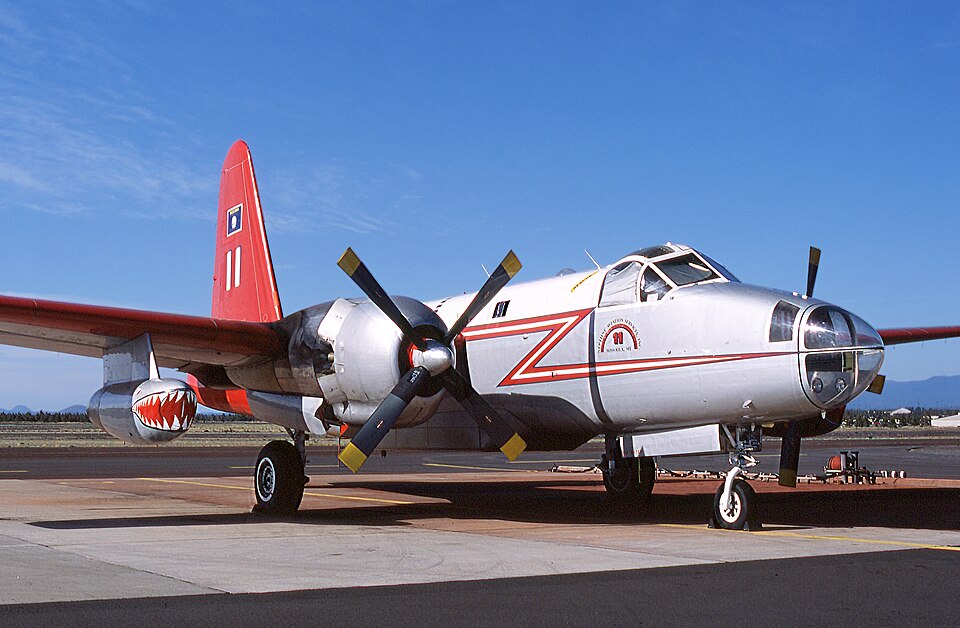
Accident Overview
An airtanker operated by Neptune Aviation Services under contract with the US Forest Service collided with mountainous terrain approximately 20 miles north of Modena, Utah, while conducting firefighting operations. The aircraft, designated Tanker 11, was operating under an exclusive public-use fixed-wing airtanker service contract with the Bureau of Land Management (BLM). Both pilots sustained fatal injuries, and the aircraft was destroyed by impact forces and subsequent fire.
Flight Operations
The accident flight was the second retardant drop of the day for Tanker 11. The crew had earlier performed the first drop on the White Rock fire. The crew included a pilot, copilot, and crew chief, though the crew chief remained at the base during drop operations. The crew had been together for three weeks and were based out of Missoula, Montana. On the day of the accident, the crew met at 0815 and traveled to the Cedar City tanker base together. Tanker 11 took off at 1214 for its first drop, returning at 1254. The aircraft was reloaded with retardant but not refueled. The accident flight departed the tanker base at 1307. Visual meteorological conditions were present, and a company flight plan had been filed. The source also notes an origin time of 1315 from Cedar City.
Accident Sequence
Upon arriving in the Fire Traffic Area (FTA), Tanker 11 followed a lead airplane, a Beech Kingair 90, into the drop zone. The drop zone was situated in a shallow valley approximately 0.4 miles wide and 350 feet deep. The lead airplane executed a shallow right-hand turn onto final approach, descending to an altitude of 150 feet above the valley floor. While Tanker 11 was making its right turn to final behind the lead plane, its right wing tip struck terrain about 700 feet left of the lead airplane's flight path. This impact caused a rapid right yaw, followed by a collision with terrain and a subsequent fireball.
Aftermath
The accident resulted in a 1,088-foot-long debris field and a post-impact fire. The aircraft was destroyed. Investigation findings attributed the accident to the flight crew's misjudgment of terrain clearance during the maneuver, leading to controlled flight into terrain, with contributing factors including failure to follow the lead airplane's track and inadequate compensation for a tailwind condition.