History of Flight
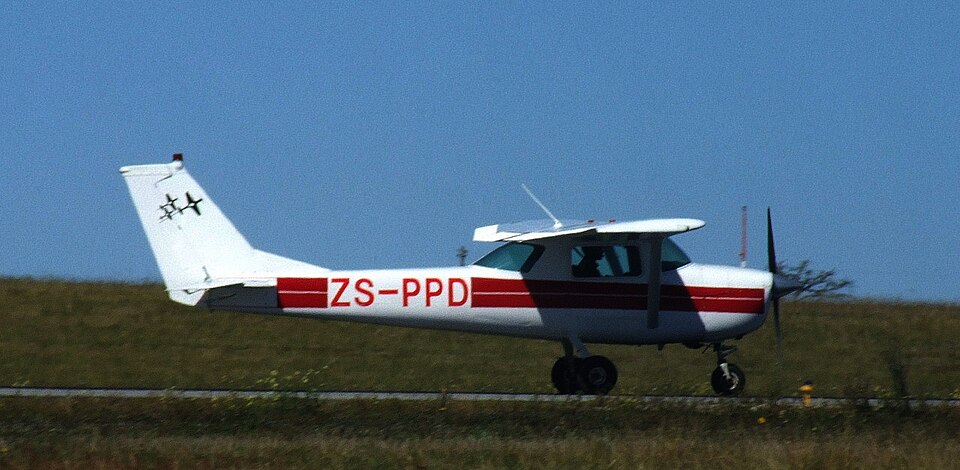
On 07 November 2010, the pilot, sole occupant of the Cessna 150 (registration ZS-PPD), departed from George aerodrome (FAGG) on a private training flight under visual flight rules (VFR) with the intention of landing at the same aerodrome. A pre-flight inspection was performed and the aircraft was fuelled to full capacity with Avgas LL 100. According to the air traffic control (ATC) officer on duty, takeoff was uneventful and the pilot was cleared to fly at 1500 feet above mean sea level (AMSL). The aircraft flew towards Knysna, with everything normal reported by the pilot.
While cruising at 1500 feet AMSL, the pilot lost communication and the flight and engine instruments went dead. She immediately flew back to George aerodrome. Without communication with ATC, the pilot opted to land on runway 11, the only active runway clear of traffic at that time.
ATC reported that after touchdown during the landing roll on runway 11, the aircraft veered left onto the grass and nosed over, coming to rest inverted. The crash alarm was activated, and emergency personnel assisted the pilot in vacating the aircraft. The pilot suffered minor injuries and was taken to a local hospital for medical attention. The accident occurred at night at coordinates South 34° 00.21' East 022° 22.03', elevation 622 feet AMSL.
Injuries to Persons
The pilot sustained minor injuries and was attended by the aerodrome fire and rescue team before being transported to a local hospital.
Aircraft Damage
The aircraft was substantially damaged. Specific damage included the nose strut broken off, propeller destroyed, both wings damaged, and engine mountings and firewall damaged.
Investigation Findings
Examination of the aircraft the following morning revealed that the alternator field switch had been left OFF (with the low battery warning light burning). The use of lights and radio had completely flattened the battery, causing the electrical failure.
Probable Cause
The probable cause of the accident was landing at night without instruments.