Flight History
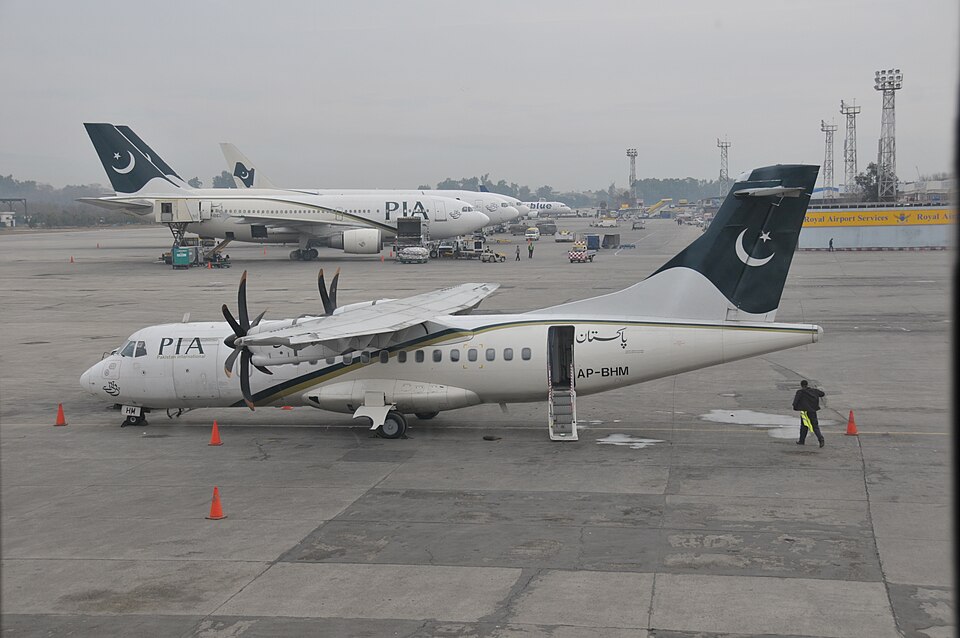
On 09 June 2017, a Pakistan International Airlines ATR 42-500 aircraft, registration AP-BHM, operated flight PK-311 from Quetta to Karachi. During final approach for Runway 25L at Jinnah International Airport, the first officer (pilot flying) felt a dissymmetry in flight conditions. The captain took over controls. The master caution light, along with the EEC light and subsequently the PEC light of the No. 1 engine, illuminated. This was followed by the unwinding of all parameters and an un-commanded in-flight shutdown of the No. 1 engine. The crew performed checklist actions and the aircraft landed safely out of the same approach. There were 41 passengers and 4 crew members on board; no injuries were reported and no damage to the aircraft occurred.
Investigation
The incident was reported to the Safety Investigation Board (SIB) Pakistan by the operator. The investigation team, including representatives from ATR and Pratt & Whitney Canada, conducted an initial examination in Karachi. The Magnetic Chip Detector of the turbo-machinery was found with metal particles. An abnormal sound and irregular movement of the Accessory Gear Box (AGB) were observed. The engine was sent to the manufacturer for a tear-down examination, conducted in the presence of SIB Pakistan and Transport Safety Board Canada.
Cause
The tear-down examination revealed that the engine shutdown was a result of failure of the No. 30 bearing, which is installed on the tower shaft of the Accessory Gear Box. The failure led to loss of drive from the engine, causing stoppage of all driven components (oil and fuel pumps) and resulting in an in-flight shutdown. The failed bearing was sent for failure mode analysis, which concluded that the bearing failed due to bearing cage cracking. The mode of cage failure could not be determined due to extensive rubbing damage. A review of the engine maintenance history over the past two years showed no maintenance performed by the operator in the area of the tower shaft or its bearings. Industry data from 2007–2017 indicated failure cases related to the tower shaft and its two bearings (No. 29 and 30), with a decreasing trend. The OEM had already redesigned bearing No. 29 and the tower shaft, which were undergoing hardware testing and validation.