Summary
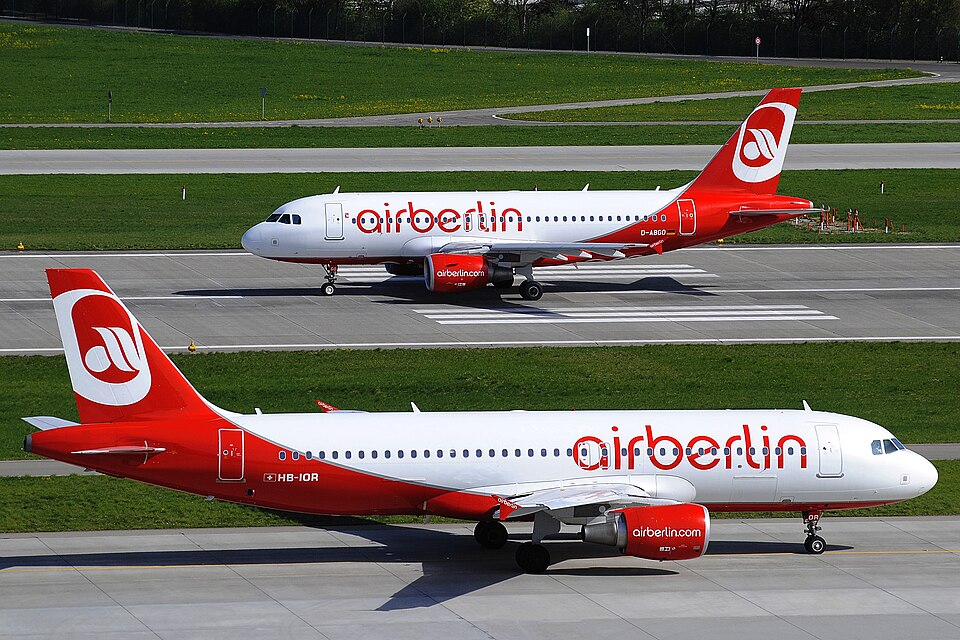
On 1 October 2013 at 15:43 UTC, an Airbus A320-214, registration HB-IOR, operated by Belair Airlines as flight AB7785, experienced a serious incident during takeoff from Porto Airport (LPPR). The aircraft had arrived from Palma de Mallorca and was being prepared for the return flight.
Event Sequence
According to the investigation report by the Swiss Transportation Safety Investigation Board (STSB), the crew calculated the engine thrust required for takeoff from runway 17 based on the full length of the runway. However, the actual takeoff was initiated from an intersection taxiway, which reduced the available runway length. Consequently, the aircraft did not achieve the necessary flight performance during the takeoff roll.
The serious incident occurred on the ground at Porto Airport. No injuries or damage to the aircraft were reported in the investigation findings.
Contributing Factors
The investigation identified several factors that played a role in the serious incident:
- The commander was distracted by external events during takeoff preparation.
- The verification of takeoff data during the pre-start checklist was incomplete.
- Some procedures were designed to be executed only when conditions required, and these conditional steps were not performed.
- Essential checks were carried out silently, without verbal confirmation.
Conclusion
The probable cause of the serious incident, as stated in the official report, is that the aircraft did not achieve the necessary flight performance during takeoff because it was performed from an intersection taxiway with engine thrust calculated for the full runway length.