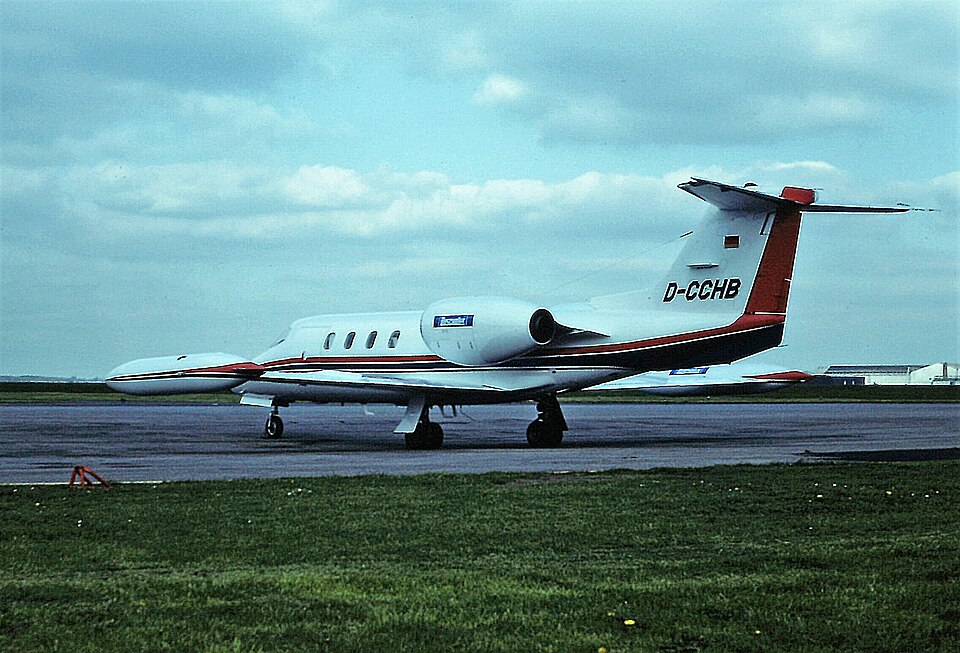
Flight Details
On 17 December 1992, a Learjet 35A, registration D-CCHB, operated a private IFR flight from Stuttgart to Bern-Belp. The crew received ATIS information indicating visibility 3500 meters, temperature and dew point both 0°C, and QNH 1022. The pilot contacted the tower for additional weather information; the controller stated that landing minima were met and no significant deterioration was expected for the planned landing time.
Approach
The pilot requested a direct approach to the ILS for runway 14, bypassing the standard procedure. The controller cleared the aircraft for a direct line-up. At three miles from the runway, the controller asked if the crew had the runway lights in sight; the pilot replied "not yet." The controller then increased the intensity of the runway lights to 30% to avoid blinding the crew. No further communication was made, and landing clearance was not issued. The crew continued the approach, anticipating a warning from ATC if visibility decreased rapidly.
Landing and Damage
The pilot misjudged the distance to the ground due to diffuse visibility. The aircraft touched down with a high sink rate, resulting in a hard landing. The right main landing gear's cast component broke, and the upper wing skin was buckled. The aircraft rolled to the stop near the end of the runway. The controller only saw the aircraft after touchdown.
Aftermath
The crew did not report the incident. The airport authority was informed the next day and notified the Federal Office for Civil Aviation. After a provisional repair, the German Federal Aviation Office (LBA) issued a limited ferry permit to Nuremberg for permanent repairs.
Findings and Causes
The investigation found no pre-existing technical defects, valid crew licenses, and normal navigational aids. The accident was attributed to continuing an approach without sufficient visibility and landing with an excessive sink rate.