Introduction
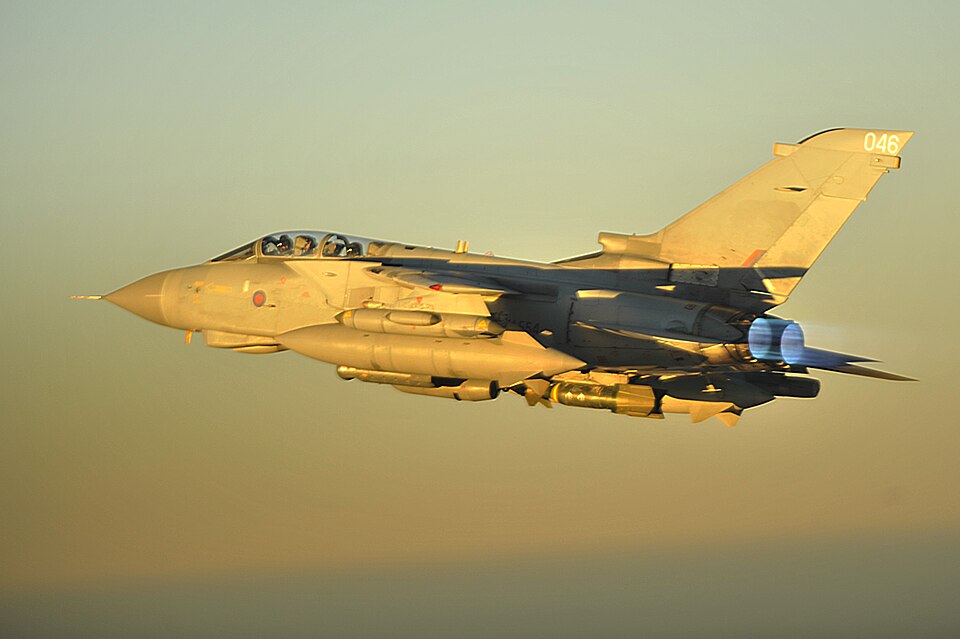
On 14 November 2007, a Tornado GR4 aircraft, registration ZA554, was involved in an accident while conducting a post-maintenance flight test. The aircraft was allotted to BAE Systems under the Combined Maintenance and Upgrade Facility (CMU) contract at RAF Marham. The flight test crew consisted of BAE Systems civilian personnel, including a pilot and a Weapons Systems Officer (WSO).
Event Details
The sortie required a negative-g loose article check, which was performed by executing an inverted flight manoeuvre. At an altitude of 5900 feet and a speed of 400 knots, a loud bang was heard, accompanied by rapid cockpit depressurisation. The pilot recovered the aircraft to erect, straight and level flight. Upon assessing the situation, the pilot discovered that the rear cockpit transparency had shattered, and the rear cockpit was empty—the WSO and the rear ejection seat were missing.
A MAYDAY was declared. A United States Air Force F-15E conducted an in-flight inspection, confirming that the rear transparency, ejection seat, and WSO were absent. Additionally, impact damage was observed at the base of the aircraft fin in the pre-cooler area. The aircraft was subsequently recovered to RAF Marham without further incident.
Aftermath
Shortly after landing, the missing WSO was located on the ground, still in the ejection seat. The WSO had sustained fatal injuries. The accident remains under investigation by the Board of Inquiry.