Airbus weighs a roughly 80-seat hydrogen aircraft, shrinking its Zero E vision
Airbus is considering a hydrogen-powered design for about 80 passengers and around 1,000 nautical miles, its civil aircraft chief said, smaller and shorter-legged than earlier targets.
Airbus is looking at building an aircraft for roughly 80 passengers with a range of about 1,000 nautical miles, or 1,852 kilometres, according to Lars Wagner, who heads the company's civil aircraft division. He spoke to journalists in Toulouse on Wednesday, 14 October.
That figure is a step down from earlier plans. Airbus had previously spoken of a 1,500-nautical-mile range, equal to 2,780 kilometres, and had not announced a change to the 100-passenger target when it revised the Zero E hydrogen design in spring 2025. That revision cut two engines from the concept.
Wagner said 80 seats was the best configuration once physical constraints and the amount of hydrogen that can be carried are taken into account, the company being quoted in response to questions. If Airbus succeeds at that size, he added, the design could later grow.
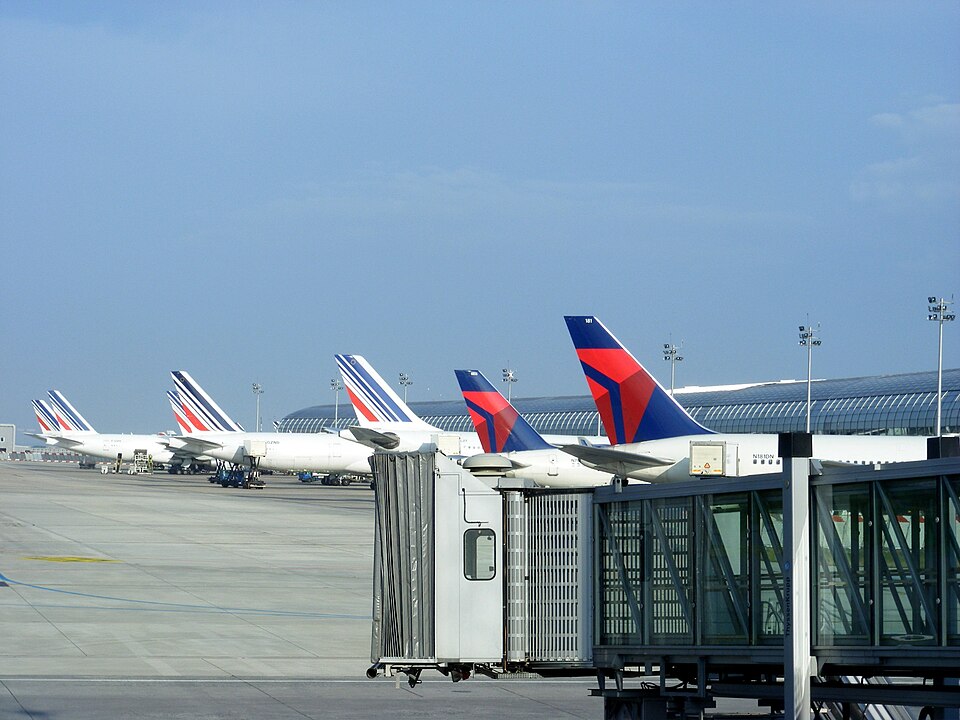
No Airbus model currently seats fewer than 100 passengers. The A220-100 tops out at 135 seats, with a typical two-class layout of 100 to 120, according to the manufacturer. The A319neo carries up to 160 and typically 120 to 150. The A318, nicknamed the Baby Airbus, is no longer in production and flies only with Air France, which fits it with 131 seats. Smaller regional aircraft are left to ATR, the turboprop maker jointly owned by Airbus and Italy's Leonardo, with 50 percent each.
The Zero E aircraft carries the project name and uses hydrogen propulsion. The 80-seat proposal remains a stated ambition rather than a launched programme.
Sources
- aerotelegraph.comAirbus plant erstmals ein Flugzeug mit nur 80 Plätzen