Casualties unknown

1982-09-03: Boeing 727 (N288WA) — Western Airlines, Inc. — Washington, DC

Washington, DC, US

On September 3, 1982, a Boeing 727 (registration N288WA) operated by Western Airlines, Inc. was involved in an aviation accident near Washington, DC. Investigators recorded the probable cause as: The cabin attendants' failure to remain secured in their seats during a period when turbulence was anticipated and announced, which resulted in injury from intermittent rough air. This summary draws on records from the U.S. National Transportation Safety Board (NTSB) historical archive; 8 related events involving the same aircraft type or operator are linked below.

Sourcesthe U.S. National Transportation Safety Board (NTSB) historical archivePrimary reportUpdated 1781061362Data APIEditorial standards
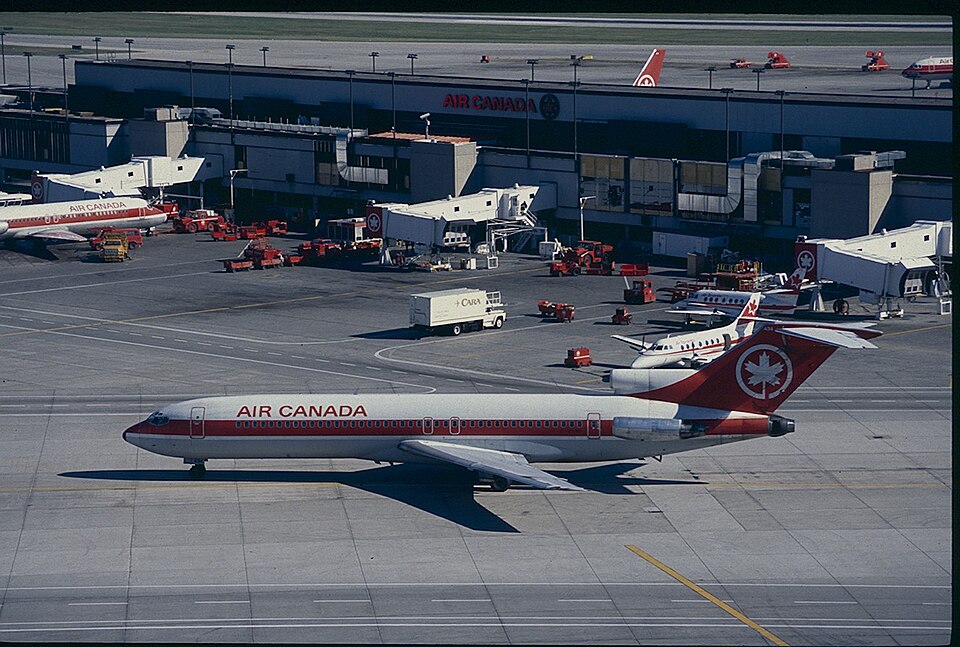
Boeing 727
Photo: Pete Macklin / CC BY-SA 2.0, via Wikimedia Commons

Two cabin attendants sustained injuries from intermittent rough air during the descent and approach to Washington National Airport, despite turbulence warnings being issued.

What happened

The flight crew announced the possibility of turbulence to passengers and crew members during the aircraft's descent and final approach phase. Despite this warning, there were periods of relative calm where cabin attendants felt it was safe to leave their jump seats and perform their duties.

While the cabin staff were attending to their tasks, the aircraft encountered intermittent jolts of rough air. Two of the attendants were not secured in their seats at the time of these encounters. The sudden movements caused by the turbulence resulted in injuries to both individuals. Despite these incidents within the cabin, the aircraft successfully completed its landing at Washington National Airport without any further complications or safety issues.

Findings

The primary contributing factor to the injuries was the failure of two cabin attendants to remain buckled in their seats during a period when turbulence was anticipated. Although the possibility of turbulence had been announced, the lulls in the activity created a false sense of security, leading the crew members to neglect safety protocols regarding restraint systems until rough air was actually encountered.

Probable cause

The cabin attendants' failure to remain secured in their seats during a period when turbulence was anticipated and announced, which resulted in injury from intermittent rough air.

Investigation report by the U.S. National Transportation Safety Board (NTSB) historical archive. Original record: https://carol.ntsb.gov/event/20020917X04491. This page is a structured re-presentation; facts and quotes are in the National Transportation Safety Board (NTSB), United States.