Casualties unknown

1983-06-11: Boeing 727-222A (N7273U) — Chicago, IL

Chicago, IL, US

On June 11, 1983, a Boeing 727-222A (registration N7273U) was involved in an aviation accident near Chicago, IL. Investigators recorded the probable cause as: The 2nd stage turbine disk fractured from fatigue initiated at the base of cavities in the bottom of the air seal groove; the inside and outside surfaces of the disk air seal groove showed signs of fretting as if the mating air seal had been moving fore and… This summary draws on records from the U.S. National Transportation Safety Board (NTSB) historical archive; 8 related events involving the same aircraft type or operator are linked below.

Sourcesthe U.S. National Transportation Safety Board (NTSB) historical archivePrimary reportUpdated 1781061362Data APIEditorial standards
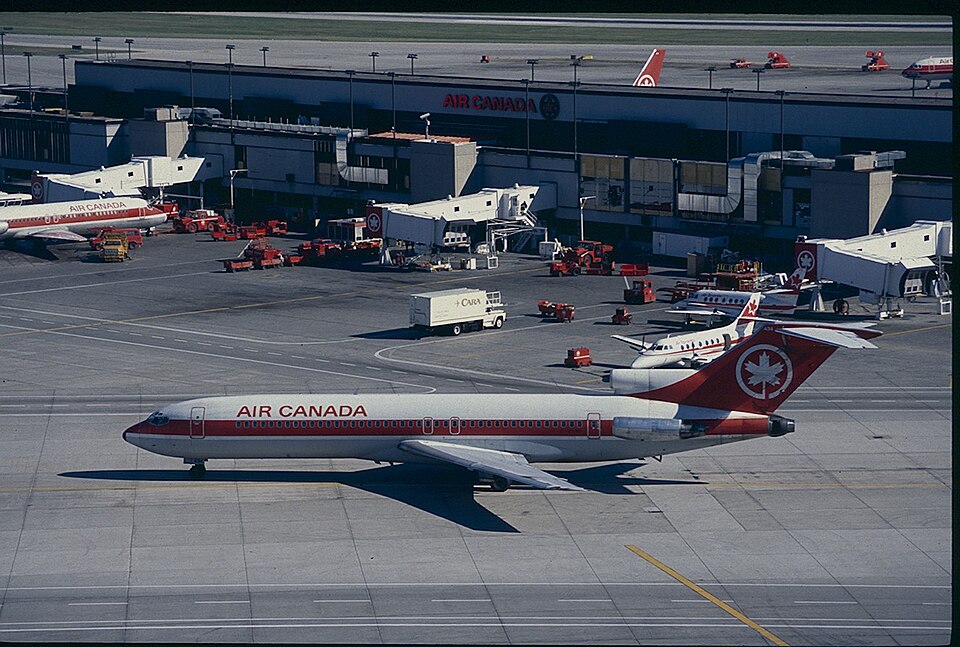
Boeing 727-222A
Photo: Pete Macklin / CC BY-SA 2.0, via Wikimedia Commons

During takeoff roll, the #1 engine failed and the takeoff was aborted at about 70 knots. After taxiing clear, the crew shut down the engine and discharged fire extinguishers. Two passengers sustained serious injuries during evacuation. Investigation revealed a fatigue fracture of the 2nd stage turbine disk.

Incident Summary

During the takeoff roll, the number one engine failed, and the takeoff was aborted at approximately 70 knots. The aircrew taxied the aircraft clear of the runway and stopped on the reverse high-speed turnoff. The aircrew of another company aircraft reported that the number one engine was on fire. No fire warning light illuminated in the cockpit, but the engine was shut down and a fire extinguisher was discharged into it. A subsequent radio call indicated that the engine was still on fire, leading to a second fire extinguisher discharge.

Evacuation

The other two engines were also shut down, and all occupants were evacuated using the emergency exits. Two passengers received serious injuries during the evacuation.

Investigation Findings

Investigation revealed that the second-stage turbine disk had fractured due to fatigue. The fatigue crack initiated at the base of cavities in the bottom of the air seal groove. Both the inside and outside surfaces of the disk air seal groove exhibited signs of fretting, consistent with the mating air seal having moved fore and aft within the groove.

Probable cause

The 2nd stage turbine disk fractured from fatigue initiated at the base of cavities in the bottom of the air seal groove; the inside and outside surfaces of the disk air seal groove showed signs of fretting as if the mating air seal had been moving fore and aft within the groove.

Investigation report by the U.S. National Transportation Safety Board (NTSB) historical archive. Original record: https://carol.ntsb.gov/event/20001214X43232. This page is a structured re-presentation; facts and quotes are in the National Transportation Safety Board (NTSB), United States.