Casualties unknown

1984-03-10: Boeing 727-23 (N1993) — Dfw Airport, TX

Dfw Airport, TX, US

On March 10, 1984, a Boeing 727-23 (registration N1993) was involved in an aviation accident near Dfw Airport, TX. Investigators recorded the probable cause as: A fatigue crack that originated from scrape marks on the inside of the skin adjacent to the crack's origin. This summary draws on records from the U.S. National Transportation Safety Board (NTSB) historical archive; 8 related events involving the same aircraft type or operator are linked below.

Sourcesthe U.S. National Transportation Safety Board (NTSB) historical archivePrimary reportUpdated 1781061362Data APIEditorial standards
Aircraft registered N1993
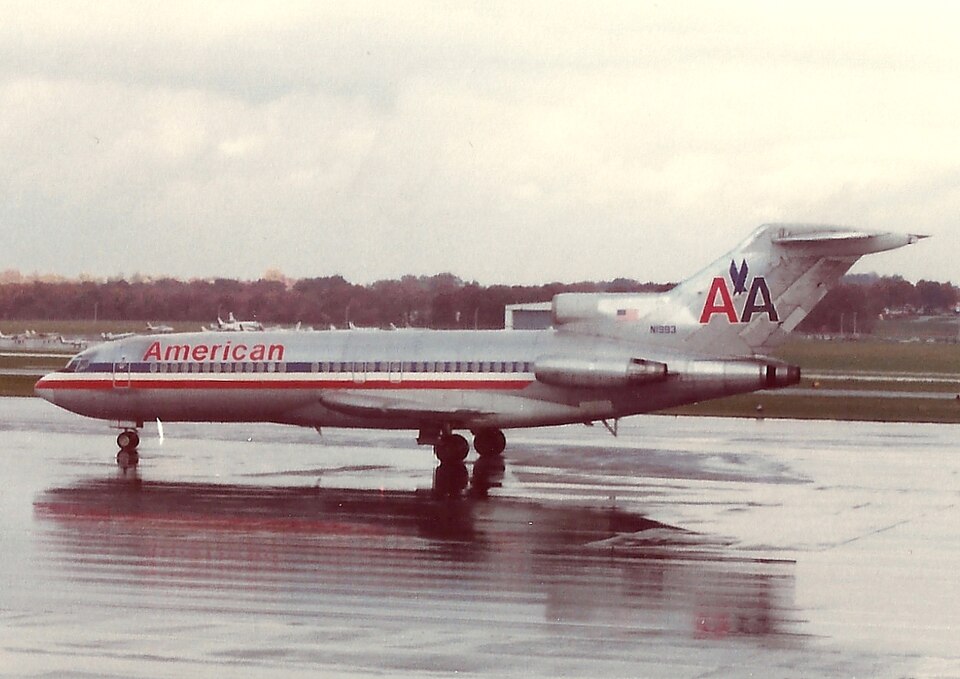
Aircraft registered N1993. Photo: simon butler from halesowen, uk / CC BY 2.0, via Wikimedia Commons

An aircraft experienced a cabin altitude climb at FL370, prompting an emergency descent. Post-landing inspection revealed a 9x18-inch fuselage hole caused by a fatigue crack originating from internal scrape marks.

Incident Overview

During a flight at flight level 370 (FL370), the crew observed that the cabin altitude began to increase. In response, they initiated an emergency descent. The aircraft landed without further incident, and passengers deplaned in a normal manner.

Post-Flight Examination

A subsequent inspection of the aircraft revealed a 9-inch by 18-inch hole in the fuselage, located approximately 3 feet forward of the cargo door. The hole was attributed to a crack that had developed in the skin.

Metallurgical Findings

A metallurgical examination of the failed area determined that the crack was the result of fatigue. The fatigue crack originated from scrape marks present on the inside surface of the skin, immediately adjacent to the crack's origin point. No other contributing factors were noted in the examination.

Operational Response

After the emergency descent, the aircraft landed safely. There were no reports of unusual events during the deplaning process. The crew's actions followed standard procedures for a loss of cabin pressure event.

Investigation Outcome

The investigation identified the root cause as a fatigue crack that began at pre-existing scrape marks on the interior of the fuselage skin. No further causal factors were cited.

Probable cause

A fatigue crack that originated from scrape marks on the inside of the skin adjacent to the crack's origin.

Investigation report by the U.S. National Transportation Safety Board (NTSB) historical archive. Original record: https://carol.ntsb.gov/event/20001214X39026. This page is a structured re-presentation; facts and quotes are in the National Transportation Safety Board (NTSB), United States.