What happened
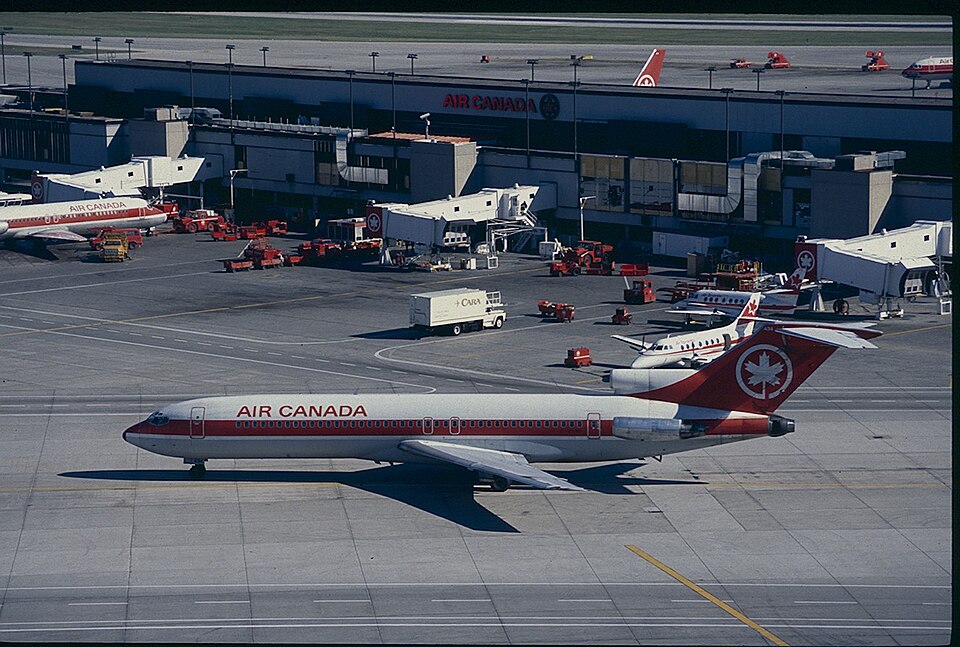
The accident occurred while the aircraft was on final approach for Runway 36 at Washington National Airport in Washington, D.C. During this phase of the operation, air traffic control instructed the pilot to change the landing runway due to traffic present on Runway 36.
While executing the necessary realignment maneuver to land on the new assigned runway, the captain assumed control of the aircraft and initiated the landing. As the airplane descended toward the paved surface, the right wing made contact with the runway, resulting in scraping damage to that section of the airframe.
The investigation
Following the incident, investigators examined the flight data recorder (FDR) to determine the operational parameters at the time of impact. The recorded data revealed a critical discrepancy in the aircraft's speed relative to its aerodynamic limits. Specifically, the FDR indicated that the airplane touched down at a speed 10 knots below the calculated stall speed.
Findings
The primary factor contributing to this event was the loss of airspeed control during the landing phase. The aircraft was operating significantly below its minimum safe landing speed, leading to an aerodynamic stall condition just prior to or during touchdown. This excessive sink rate and lack of lift caused the right wingtip to strike the runway surface.
Safety message
Pilots must maintain precise airspeed control during final approach and landing, especially when executing unexpected course corrections due to traffic. Adhering to recommended approach speeds is critical to preventing stall-induced impacts with the ground or runway surfaces.