Casualties unknown

1987-04-01: Boeing 727-295 (N1643) — Piedmont Aviation,inc. — Miami, FL

Miami, FL, US

On April 1, 1987, a Boeing 727-295 (registration N1643) operated by Piedmont Aviation,inc. was involved in an aviation accident near Miami, FL. Investigators recorded the probable cause as: The passenger's failure to remain seated while the seat belt sign was illuminated during a steep climb at low altitude. This summary draws on records from the U.S. National Transportation Safety Board (NTSB) historical archive; 9 related events involving the same aircraft type or operator are linked below.

Sourcesthe U.S. National Transportation Safety Board (NTSB) historical archivePrimary reportUpdated 1781061362Data APIEditorial standards
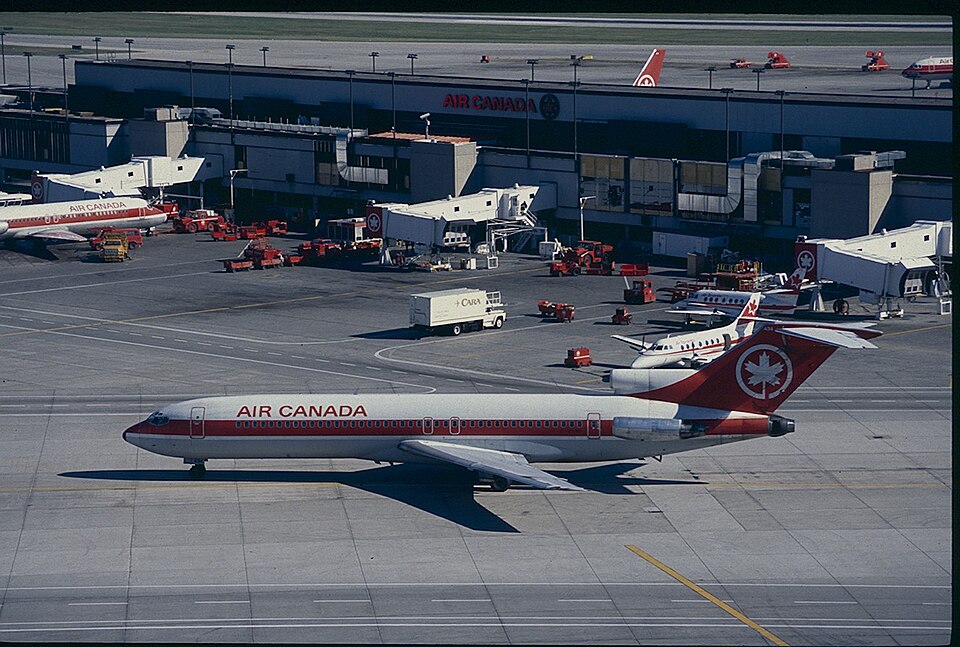
Boeing 727-295
Photo: Pete Macklin / CC BY-SA 2.0, via Wikimedia Commons

An 84-year-old passenger aboard a commercial flight broke his hip after falling forward while attempting to reach the rear lavatories during a steep climb at low altitude.

What happened

Shortly after takeoff, an 84-year-old male passenger rose from his seat and moved toward the aft lavatories. At this time, the aircraft was approximately 1000 feet above ground level and maintaining a steep climb attitude. The illuminated seat belt and no smoking signs remained active. As the passenger proceeded forward, he fell face-first toward the rear of the cabin, resulting in a hip fracture.

The investigation

The incident occurred during the initial climb phase of flight. No mechanical failures or external factors were cited as contributing to the fall. The primary factor was the passenger's movement despite active safety warnings.

Findings

  • The seat belt and no smoking signs were illuminated, indicating that passengers should remain seated.
  • The aircraft was in a steep climb at low altitude (1000 ft AGL).
  • The passenger ignored the safety signals and moved through the cabin.
  • The fall resulted in a hip fracture for the 84-year-old male.

Safety message

Passengers must remain seated with seat belts fastened whenever the seat belt sign is illuminated, particularly during critical phases of flight such as takeoff and initial climb. Movement through the cabin during these periods poses significant injury risks due to turbulence or aircraft attitude changes.

Probable cause

The passenger's failure to remain seated while the seat belt sign was illuminated during a steep climb at low altitude.

Investigation report by the U.S. National Transportation Safety Board (NTSB) historical archive. Original record: https://carol.ntsb.gov/event/20001213X30579. This page is a structured re-presentation; facts and quotes are in the National Transportation Safety Board (NTSB), United States.