Casualties unknown

Runway Overrun and Fence Impact After Landing in Thunderstorms (N8328A)

Olathe, KS, US

On June 30, 1988, a Piper PA-32R-301T (registration N8328A) operated by Kansas City Aviation Center was involved in an aviation accident near Olathe, KS. Investigators recorded the probable cause as: Ineffective braking on a wet runway during landing, which resulted in the aircraft overrunning the pavement and striking a fence. This summary draws on records from the U.S. National Transportation Safety Board (NTSB) historical archive; 3 related events involving the same aircraft type or operator are linked below.

Sourcesthe U.S. National Transportation Safety Board (NTSB) historical archivePrimary reportUpdated 2026-06-19Data APIEditorial standards
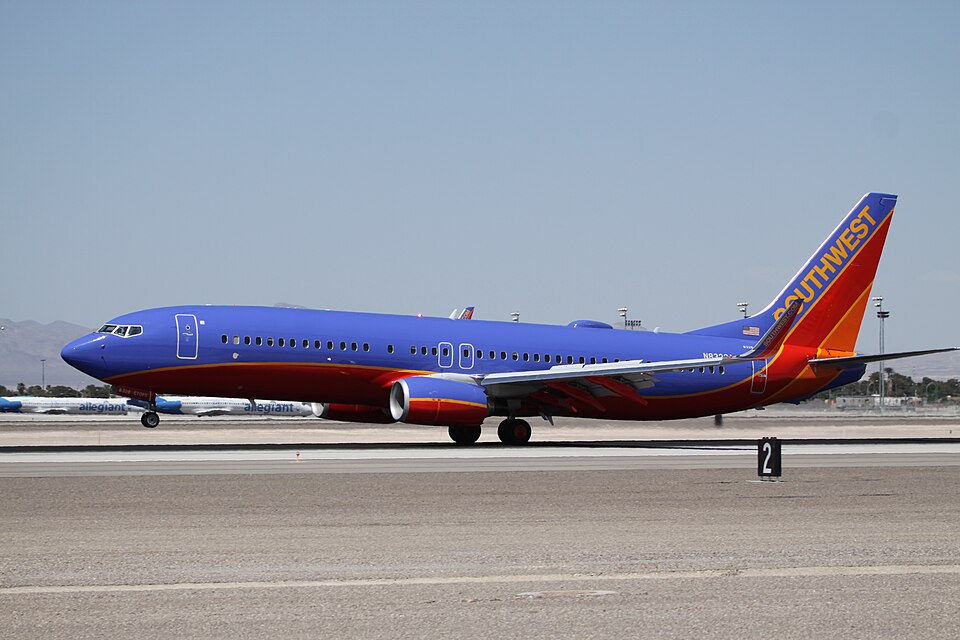
Aircraft registered N8328A
Aircraft registered N8328A. Photo: Aeroprints.com / CC BY-SA 3.0, via Wikimedia Commons

A pilot flying under visual flight rules encountered heavy rain and thunderstorms near the destination airport. Upon landing on a wet runway, braking proved ineffective, causing the aircraft to overrun the paved surface and strike a chainlink fence at the end of the runway.

What happened

Following an extended cross-country journey, the pilot reported encountering significant weather conditions as he approached his destination. Specifically, the airspace was filled with heavy rain and active thunderstorms. Despite these adverse meteorological factors, the pilot determined that conditions remained suitable for flight under visual flight rules (VFR) and proceeded with the approach.

Upon touchdown, the aircraft landed on a runway surface that was thoroughly wet due to the precipitation. The pilot noted that the braking action was ineffective, preventing the aircraft from stopping within the available pavement. Consequently, the airplane continued its momentum beyond the end of the runway. During this overrun, the aircraft struck a chainlink fence located adjacent to the airfield boundary. The pilot reported that the landing speed at the time of touchdown was 90 knots.

The investigation

The provided source material does not contain specific details regarding mechanical examinations or post-accident inspection findings beyond the pilot's immediate observations of the weather and runway conditions.

Findings

Several factors contributed to the outcome of this event. The primary environmental factor was the presence of heavy rain and thunderstorms near the destination, which resulted in a wet runway surface. This condition directly impacted the aircraft's ability to decelerate effectively after touchdown. Additionally, the pilot reported a landing speed of 90 knots, which may have influenced the stopping distance required on the slick surface.

Safety message

Pilots operating into airports with reported thunderstorms and heavy rain should be acutely aware of reduced braking action on wet runways. It is critical to evaluate available runway length against expected landing performance in contaminated conditions and to consider diversion options if weather or surface conditions exceed safe operational limits.

Probable cause

Ineffective braking on a wet runway during landing, which resulted in the aircraft overrunning the pavement and striking a fence.

Frequently asked questions

What happened in the 30 Jun 1988 Piper PA-32R-301T accident near Olathe, KS?

A pilot flying under visual flight rules encountered heavy rain and thunderstorms near the destination airport. Upon landing on a wet runway, braking proved ineffective, causing the aircraft to overrun the paved surface and strike a chainlink fence at the end of the runway.

What aircraft was involved and where did it happen?

The accident on 30 Jun 1988 involved a Piper PA-32R-301T, registration N8328A, operated by Kansas City Aviation Center, at Olathe, KS.

What was the probable cause of the accident?

Ineffective braking on a wet runway during landing, which resulted in the aircraft overrunning the pavement and striking a fence.

Investigation report by the U.S. National Transportation Safety Board (NTSB) historical archive. Original record: https://carol.ntsb.gov/event/20001213X26051. This page is a structured re-presentation; facts and quotes are in the National Transportation Safety Board (NTSB), United States.