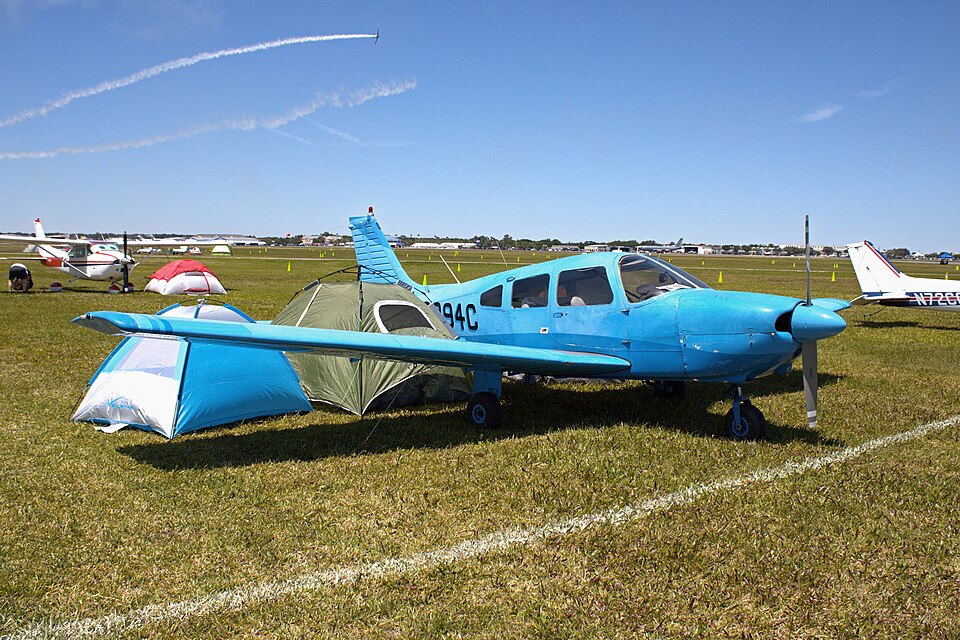
Accident Overview
An airplane experienced a loss of engine power during descent and performed a forced landing, resulting in substantial damage to the aircraft.
Pilot's Report
The pilot stated that the flight plan projected a duration of 2 hours and 36 minutes, with fuel onboard planned at 5 hours 30 minutes plus a 2-hour reserve. While descending from 4,500 to 2,000 feet mean sea level, about 25 nautical miles from the destination, the pilot checked the fuel gauges and observed they indicated "well over half full." Approximately 12 nautical miles from the airport, over a populated area, the engine lost power. The pilot executed a forced landing to an area without lights, and the airplane landed upright in a muddy field after skidding approximately 200 to 300 feet.
Fuel Examination
During post-accident examination, about one cup of fuel was drained from each wing tank sump, and approximately a spoonful of fuel was drained from the gascolator. No evidence of a fuel leak was found anywhere on the aircraft. The engine was rotated, and thumb compression was noted on all cylinders, with spark observed on all spark plugs.
Rental and Fueling History
The pilot rented the airplane from a fixed base operator on June 10, 2005, with the fuel tanks topped off at 48 gallons. That same day, the pilot flew nonstop to an airport 246 nautical miles away. On June 14, 2005, he flew to an airport 23 nautical miles distant and purchased 20.0 gallons of fuel. He then returned to the same airport before departing on the accident flight later that night.
Engine and Fuel Consumption Data
The tachometer indicated 6.2 hours of operation since dispatch, while the Hobbs meter showed 6.0 hours. According to the Pilot's Operating Handbook, average fuel burn at 75% power with leaning was about 10.5 gallons per hour. The actual average fuel burn during the 6.0-hour rental period was approximately 11.3 gallons per hour.
Conclusion
The source does not assign a probable cause for the accident.