Casualties unknown

Aircraft crashes during IFR approach due to fuel exhaustion (N5175U)

Austin, TX, US

On February 18, 1989, a Cessna 206 (registration N5175U) was involved in an aviation accident near Austin, TX. Investigators recorded the probable cause as: The pilot's failure to ensure adequate fuel supply for the flight, resulting in fuel exhaustion and subsequent engine power loss during an instrument approach. This summary draws on records from the U.S. National Transportation Safety Board (NTSB) historical archive; 8 related events involving the same aircraft type or operator are linked below.

Sourcesthe U.S. National Transportation Safety Board (NTSB) historical archivePrimary reportUpdated 2026-06-19Data APIEditorial standards
Aircraft registered N5175U
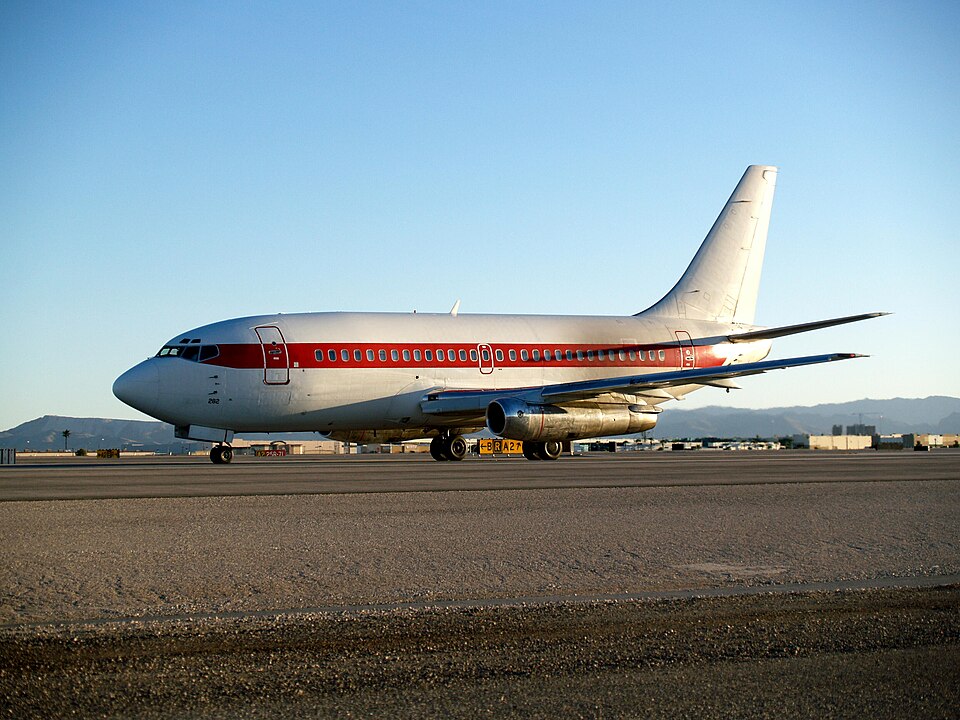
Aircraft registered N5175U. Photo: Cubbie_n_Vegas from Las Vegas, USA / CC BY 2.0, via Wikimedia Commons

An aircraft lost all engine power while being vectored for an instrument flight rules approach, resulting in a forced landing into trees and terrain.

What happened

The pilot was operating under instrument flight rules when the engine experienced a complete loss of power. At the time of the failure, the aircraft was being vectored by air traffic control for an approach to the airport. Unable to maintain altitude or continue the approach, the pilot initiated a forced landing in a nearby field that contained several trees.

During the descent and impact sequence, the aircraft collided with multiple trees and the terrain. The force of the collision caused the nose of the aircraft to pitch downward, resulting in a nosed-over position on the ground.

The investigation

Post-accident examination of the fuel system revealed that usable fuel remained in both tanks. Approximately one to two gallons of usable fuel were found in the selected tank at the time of the incident. Additionally, approximately eight gallons of usable fuel remained in the other tank.

The presence of fuel in the tanks indicates that the engine failure was not due to total depletion of all available fuel sources, but rather a specific issue with fuel delivery or selection from the active tank.

Probable cause

The pilot's failure to ensure adequate fuel supply for the flight, resulting in fuel exhaustion and subsequent engine power loss during an instrument approach.

All Cessna 206 accidents →

Frequently asked questions

What happened in the 18 Feb 1989 Cessna 206 accident near Austin, TX?

An aircraft lost all engine power while being vectored for an instrument flight rules approach, resulting in a forced landing into trees and terrain.

What aircraft was involved and where did it happen?

The accident on 18 Feb 1989 involved a Cessna 206, registration N5175U, at Austin, TX.

What was the probable cause of the accident?

The pilot's failure to ensure adequate fuel supply for the flight, resulting in fuel exhaustion and subsequent engine power loss during an instrument approach.

Investigation report by the U.S. National Transportation Safety Board (NTSB) historical archive. Original record: https://carol.ntsb.gov/event/20001213X27727. This page is a structured re-presentation; facts and quotes are in the National Transportation Safety Board (NTSB), United States.