Event Overview
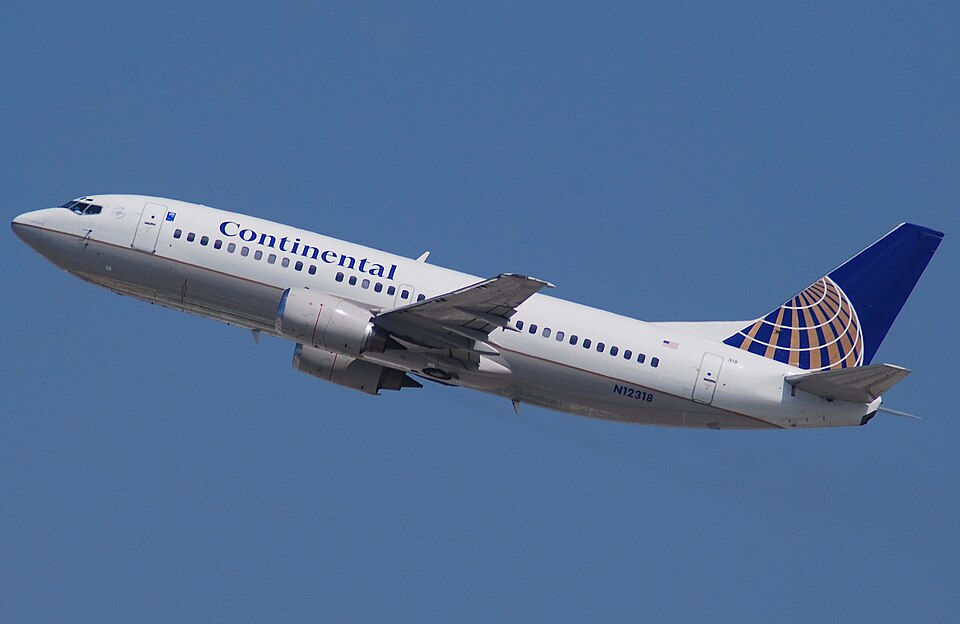
During ground operations at the gate, an auxiliary power unit (APU) fire occurred but was not detected by the flight crew. The crew subsequently started the main engines and departed. Shortly after takeoff, the aircraft developed severe vibrations. The crew declared an emergency and returned for an uneventful landing.
Damage Assessment
Post-flight inspection revealed extensive fire damage to the underside of the elevator and trim tab, with approximately half of their surfaces affected. The tail cone showed charring and blistering over a three-foot by three-foot area. The damage was consistent with an APU fire that had occurred during ground operations.
Ground Handling
Four ground service personnel handled the aircraft during pushback. The sequence of events suggests the fire may have started while the aircraft was at the gate, but it went unnoticed by both the crew and ground staff.
Investigation Findings
Examination of the APU revealed that the combustor cap drain line was clogged with several pieces of room temperature vulcanizing (RTV) material, a potting compound used during APU buildup. The APU manufacturer's overhaul manual advises operators to use RTV sparingly and to remove any excess before installing exhaust pipe shims, to prevent plugged fuel drain fittings and torching starts.
Additionally, the atomizer assembly showed streaking in the primary orifices, and the oil pump exhibited slow sequencing during ignition and fuel initiation. These findings indicate maintenance discrepancies that may have contributed to the fire, though the investigation did not explicitly state a causal relationship.
No further details on the aircraft type, registration, operator, or personnel injuries were provided in the source.