Casualties unknown

Engine Failure Following Lavatory Service Diversion to Miami (N839TW)

Gulf OF Mexico, US

On November 2, 1991, a Boeing 727-31 (registration N839TW) operated by Private Jet Expeditions was involved in an aviation accident near Gulf OF Mexico. Investigators recorded the probable cause as: THE OVERFILLING OF THE FORWARD LAVATORY DURING SERVICING AND THE FAILURE TO REPLACE THE FILL/RINSE LINE CAP AFTER SERVICING BY THE GROUND SERVICE PERSONNEL WHICH RESULTED IN THE LAVATORY VENTING FLUID THROUGH THE FILL/RINSE LINE DURING FLIGHT AND THE… This summary draws on records from the U.S. National Transportation Safety Board (NTSB) historical archive; 8 related events involving the same aircraft type or operator are linked below.

Sourcesthe U.S. National Transportation Safety Board (NTSB) historical archivePrimary reportUpdated 2026-06-10Data APIEditorial standards
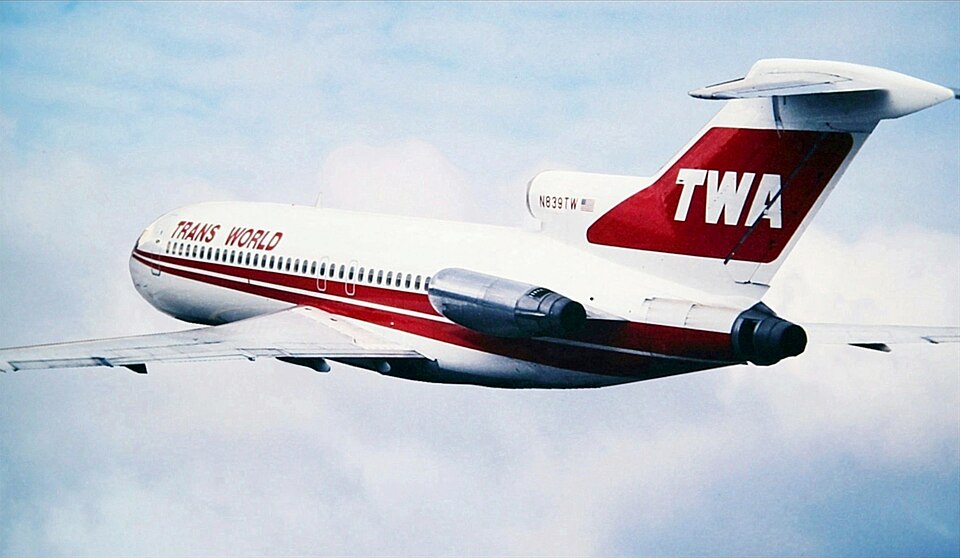
Aircraft registered N839TW
Aircraft registered N839TW. Photo: Roland Arhelger / CC BY-SA 4.0, via Wikimedia Commons

During flight, the number 3 engine failed and was shut down after forward lavatory servicing. A blue streak from the service door to the engine inlet indicated ingestion of lavatory fluid, leading to a diversion to Miami.

Incident Overview

Ground personnel serviced the forward lavatory shortly before flight. A flight attendant reported that fluid was visible in the upper toilet area of the forward lavatory after servicing, indicating that the lavatory had been overfilled.

In-Flight Engine Failure

En route, the number 3 engine failed and was subsequently shut down. The flight diverted to Miami.

Post-Flight Findings

Upon arrival, a blue streak was observed on the right side of the aircraft. It began at the forward lavatory service door and ended at the inlet of the number 3 engine. The forward lavatory service door was found closed, but when opened, the fill/rinse line cap was missing. The fill/rinse line check valve was found stuck open. When a cap was installed on the line, no leakage occurred. The lavatory drain line did not leak.

Engine Damage

The number 3 engine had sustained fan damage due to ingestion of soft matter.

Investigation report by the U.S. National Transportation Safety Board (NTSB) historical archive. Original record: https://carol.ntsb.gov/event/20001212X18486. This page is a structured re-presentation; facts and quotes are in the National Transportation Safety Board (NTSB), United States.