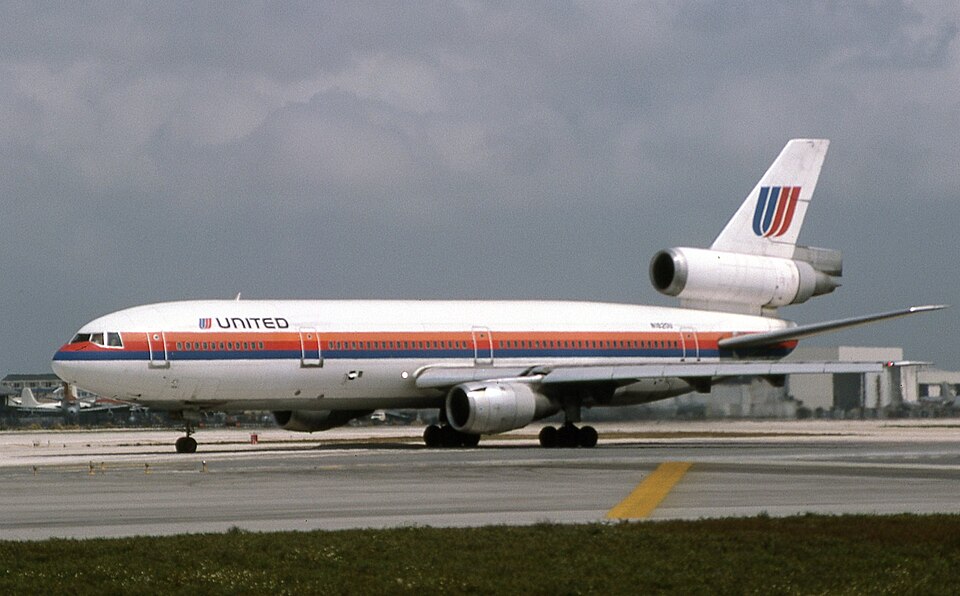
Incident Overview
During the rollout phase after landing, the captain applied the brakes to decelerate the aircraft as it was turning towards the taxiway. The application of brakes led to an unintended lockup of the left main landing gear brakes. Specifically, three of the four wheels on the left main landing gear became locked, resulting in the tires being scrubbed down and ruptured. The fourth tire was also scrubbed down and deflated. The captain successfully stopped the aircraft prior to entering the taxiway.
Post-Incident Inspection
A subsequent inspection of the aircraft's braking system identified the cause of the brake malfunction. Contaminated electrical connectors were found between the anti-skid manifolds and the anti-skid computer. This contamination caused a loss of anti-skid protection, which is normally designed to prevent wheel lockup during braking. Without the anti-skid system functioning properly, the brakes on the left main landing gear locked, leading to the tire damage described.
Technical Details
The anti-skid system is a critical component that modulates brake pressure to prevent wheel skid and maintain optimal braking efficiency. In this incident, the contamination of the electrical connectors disrupted the communication between the anti-skid manifolds and the computer, effectively disabling the protective function. As a result, the brakes applied by the captain caused the wheels to lock, despite the aircraft's turn and the normal operation of the system being expected to prevent such an occurrence.
The damage was confined to the tires, with three tires ruptured and one deflated. No other damage to the aircraft or injuries were reported. The incident underscores the importance of maintaining clean and secure electrical connections within safety-critical systems like the anti-skid braking system.