Incident Overview
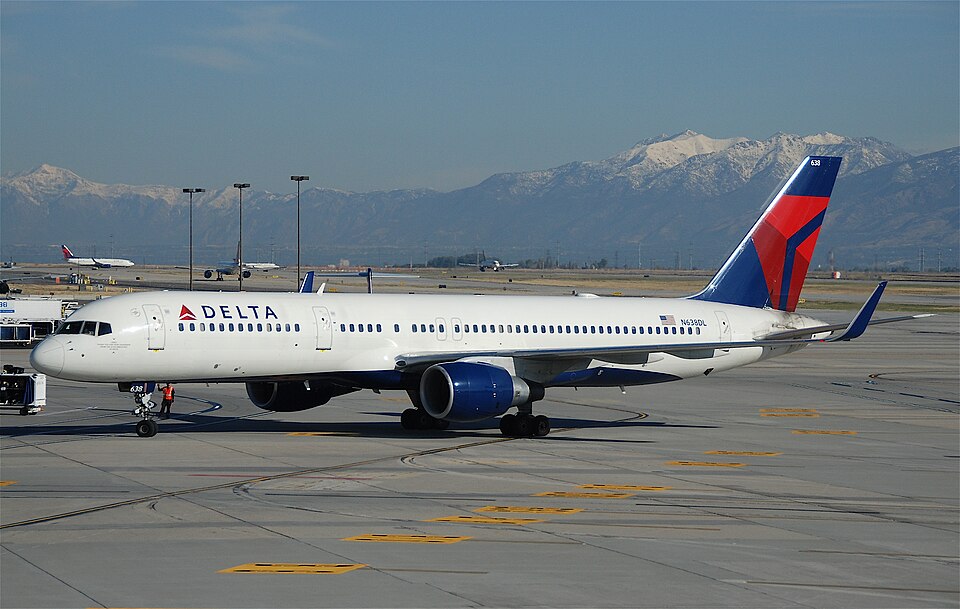
According to the pilots, during the takeoff roll the airplane began to bounce forward and backward. At about 128 knots, the nose pitched up. Data from the flight data recorder showed that at 95 knots, the elevator began a positive deflection. At 108.5 knots, pitch attitude began to increase. Then at about 126 knots, the pitch angle reached a maximum of 11.25 degrees and the aircraft became airborne. Approximately three seconds after initial lift-off, the aircraft touched down momentarily. The captain stated that after becoming airborne, he applied full power and continued the climb. Suspecting a possible tail strike, he elected to return to the airport and land.
Post-Flight Findings
A post-flight examination revealed a six-foot scrape mark aft of the pressure bulkhead. The computed takeoff speeds for this flight were: decision speed (V1) 128 knots, rotation speed (VR) 130 knots, and takeoff safety speed (V2) 135 knots. The previous flight's lift-off occurred at 151 knots and 6.855 degrees nose-up pitch. No mechanical problem was discovered with the airplane.