Passenger Cabin Door Separation During Approach

Casualties unknown • Chicago, IL, US

A passenger cabin door opened shortly after takeoff and subsequently separated from the aircraft during its final approach to the airport.

What happened

Shortly after takeoff, at an altitude of approximately 800 feet AGL, the main passenger cabin door of the aircraft type opened. Following the incident, the airplane returned to the airport for landing. During the final approach, the door separated from the aircraft.

The flight attendant reported hearing a very loud "humming noise" emanating from the door immediately before it opened. There were no injuries reported during the event.

The investigation

Investigators determined that all indications suggested the door had been closed and locked prior to takeoff. However, the lack of structural damage to the aircraft indicated that the door was actually unlocked or unlatched at the moment it opened.

The aircraft was equipped with a newly designed handrail/door handle that reversed the direction of motion required to lock and unlock the door. This specific design had been installed on fourteen airplanes within the fleet. The flight attendant involved had operated this new handle on 16 of her 60 total flights since being hired. On the day of the incident, the crew member had been on duty for approximately 14.5 hours and had only received five hours of sleep the previous night due to her flight schedule.

Frequently asked questions

What happened in the 1995-07-10 Atr 72-212 accident near Chicago, IL?

A passenger cabin door opened shortly after takeoff and subsequently separated from the aircraft during its final approach to the airport.

What aircraft was involved and where did it happen?

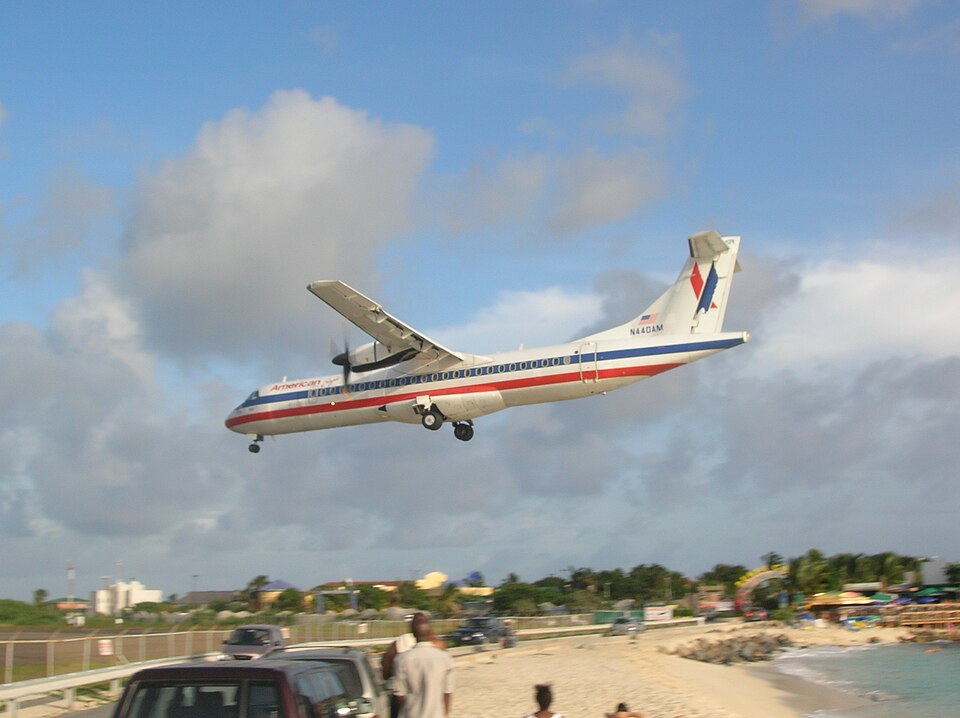
The accident on 1995-07-10 involved a Atr 72-212, registration N440AM, operated by Simmons Airlines, at Chicago, IL.

What was the probable cause of the accident?

the flight attendant's failure to follow procedures which resulted in her inadvertently opening the main cabin door in flight. Factors associated with the incident were: the flight attendant's fatigue due to lack of sleep and a long duty day, interference with habit regarding the direction of motion of the door…

Investigation report by the U.S. National Transportation Safety Board (NTSB) historical archive. Original record: https://carol.ntsb.gov/event/20001207X03883. This page is a structured re-presentation; facts and quotes are in the National Transportation Safety Board (NTSB), United States.

Loading the flight search…