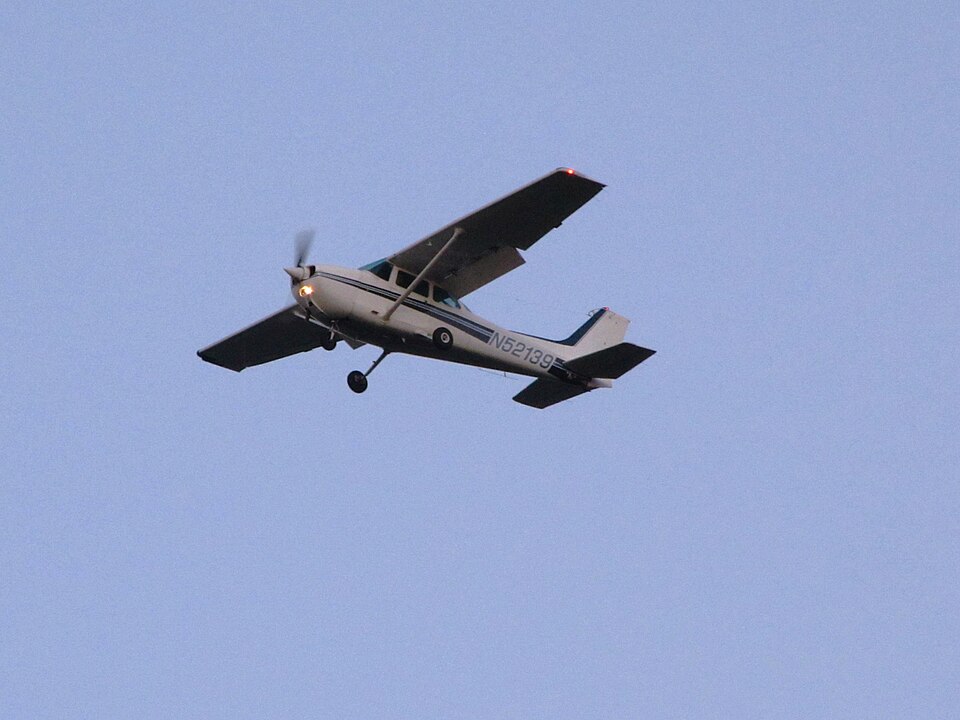
On July 13, 1995, a Cessna 172P (registration N52139) operated by Wings Aloft was involved in an aviation accident near Vashon, WA. Investigators recorded the probable cause as: Separation of connecting rod cap bolts due to an inadequately torqued nut or loss of prestress over a period of time. This summary draws on records from the U.S. National Transportation Safety Board (NTSB) historical archive; 5 related events involving the same aircraft type or operator are linked below.
During cruise flight, an engine emitted a loud sound, shook, and lost power. The pilot conducted a forced landing in an open field; after a bounce and second touchdown, the nose gear collapsed. Post-crash examination found separated connecting rod cap bolts due to inadequate torque or loss of prestress.
Incident
While in cruise flight, the engine suddenly produced a loud sound and began to shake before losing power. The pilot initiated a forced landing to an open field. The airplane touched down, bounced, became airborne again, and then touched down a second time. During the second touchdown, the nose gear collapsed, and the airplane slid to a stop.
Investigation
Post-crash examination revealed holes in the crankcase. A teardown of the engine found that the number three and four connecting rod cap bolts had separated. A metallurgical examination of the fractured bolts showed features characteristic of a progressive overstress. The metallurgical specialist reported that the separation most likely occurred due to an inadequately torqued nut or loss of prestress over a period of time.
Probable cause
Separation of connecting rod cap bolts due to an inadequately torqued nut or loss of prestress over a period of time.