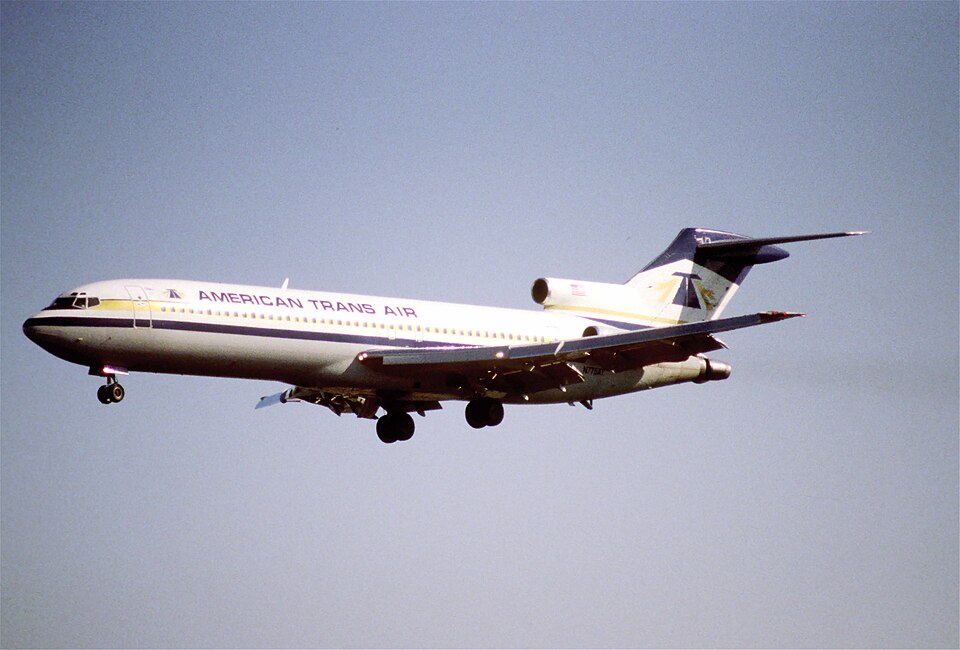
Incident Description
While the aircraft was cruising at 33,000 feet, the cabin altitude warning horn activated. The captain observed that the right air conditioning pack was off. Together with the flight engineer, he attempted to restore the pack's operation without consulting the appropriate checklist. As a result, the cabin altitude continued to increase, reaching 14,000 feet. At that point, warning lights illuminated and oxygen masks deployed in the passenger cabin.
Loss of Cabin Pressure
While trying to correct the cabin altitude, the flight engineer inadvertently opened the outflow valve. This action caused a rapid loss of cabin pressure. Subsequently, the captain, the flight engineer, and the lead flight attendant all became unconscious due to hypoxia. The captain had delayed donning his oxygen mask. The flight engineer lost consciousness after reviving the flight attendant.
First Officer's Actions
The first officer, who had only 10 hours of flight time in that aircraft type, had put on his oxygen mask when the warning horn first sounded. He remained conscious and was able to initiate an emergency descent. During the descent, the captain, flight engineer, and lead flight attendant regained consciousness.
Emergency Landing and Post-Flight Inspection
An emergency landing was carried out at Indianapolis, Indiana. The following day, the aircraft was inspected and flight tested. The pressurization system was found to function with no anomalies.