Casualties unknown

1996-06-14: Boeing 727-30C (N906UP) — Chicago, IL

Chicago, IL, US

On June 14, 1996, a Boeing 727-30C (registration N906UP) was involved in an aviation accident near Chicago, IL. Investigators recorded the probable cause as: The airplane was modified by Supplemental Type Certificate (STC) to replace the original Pratt and Whitney engines with Rolls Royce Model TAY engines, but using the original fuel system. This summary draws on records from the U.S. National Transportation Safety Board (NTSB) historical archive; 8 related events involving the same aircraft type or operator are linked below.

Sourcesthe U.S. National Transportation Safety Board (NTSB) historical archivePrimary reportUpdated 1781061362Data APIEditorial standards
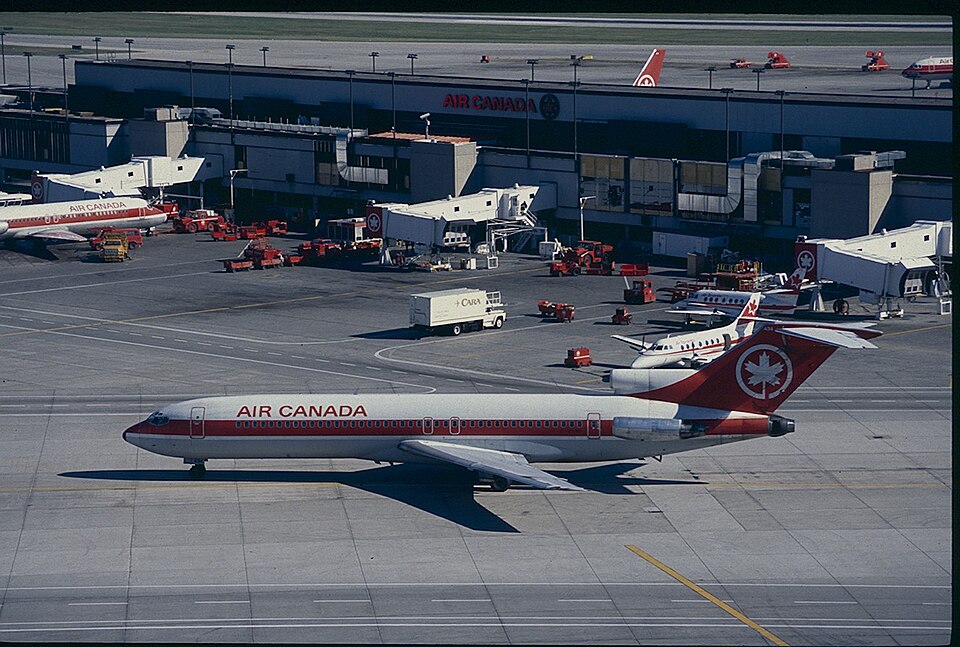
Boeing 727-30C
Photo: Pete Macklin / CC BY-SA 2.0, via Wikimedia Commons

A three-engine airplane lost all engine power and electrical generation during descent due to a fuel pressure spike from an engine modification. The crew diverted and landed safely with all engines restored.

Incident Description

During an en route descent in preparation for landing at Greater Rockford Airport in Rockford, Illinois, the airplane experienced a total loss of power on all three engines and a subsequent loss of electrical generating power. The crew declared an emergency and diverted to Chicago, Illinois. The airplane made a landing at Chicago O'Hare International Airport with all engines operating and electrical generating power restored.

Investigation Findings

The investigation revealed that the airplane had been modified by a Supplemental Type Certificate (STC) to replace the original Pratt and Whitney engines with Rolls Royce Model TAY engines, while retaining the original fuel system. The original fuel system was subject to fuel surges that were acceptable with the original engine installation. However, with the TAY engine configuration, when the fuel system is configured with one engine operating in suction feed, air and vapor evolve from the fuel in the engine and airplane fuel systems and accumulate at the fuel system high points. When boosted fuel is restored to the system, the boosted fuel flow rate moves toward the high end of the boost pump output capacity, causing rapid filling and recompression of the air and vapor areas with a resulting high flow velocity. This fuel flow is then decelerated to the engine demand flow rate as it reaches the engine high-pressure fuel pump. The change in velocity causes a pressure spike, first observed at the inlet to the engine high-pressure fuel pump. The formation of the pressure spike is accompanied by a rapid drop in engine high-pressure fuel pump output and fuel burner line pressures, leading to a collapse in engine combustor discharge pressure and engine flameout. The pressure spike then travels from the first engine back through the airplane's fuel system into the other exposed engines, causing them to flameout in a similar manner. The elapsed time for the pressure spike to travel back through the fuel system to the other engines is just under one second.

Probable cause

The airplane was modified by Supplemental Type Certificate (STC) to replace the original Pratt and Whitney engines with Rolls Royce Model TAY engines, but using the original fuel system. The original system was subject to fuel surges which were acceptable to the original installation. With the TAY engine configuration, when the airplane's fuel system is configured with one engine operating in suction feed, air and vapor evolve from the fuel in the engine and airplane fuel systems, and accumulates at the fuel system high points. When boosted fuel is restored to the system, the boosted fuel flow rate moves toward the high end of the boost pump output capacity, causing a rapid filling and recompression of the air and vapor areas with a resulting high flow velocity. The fuel is then decelerated to 'engine demand flow rate' as it reaches the engine high-pressure fuel pump. This change in the velocity of the fuel flow causes a 'pressure spike' which is first observed at the inlet to the engine high-pressure fuel pump. The formation of the pressure spike is accompanied by a rapid drop in engine high-pressure fuel pump output and fuel burner line pressures leading to a collapse in engine combustor discharge pressure and engine flameout. The formed pressure spike travels from the first engine back through the airplane's fuel system into the other exposed engines causing these engines to flameout in a similar manner.

Investigation report by the U.S. National Transportation Safety Board (NTSB) historical archive. Original record: https://carol.ntsb.gov/event/20001208X05915. This page is a structured re-presentation; facts and quotes are in the National Transportation Safety Board (NTSB), United States.